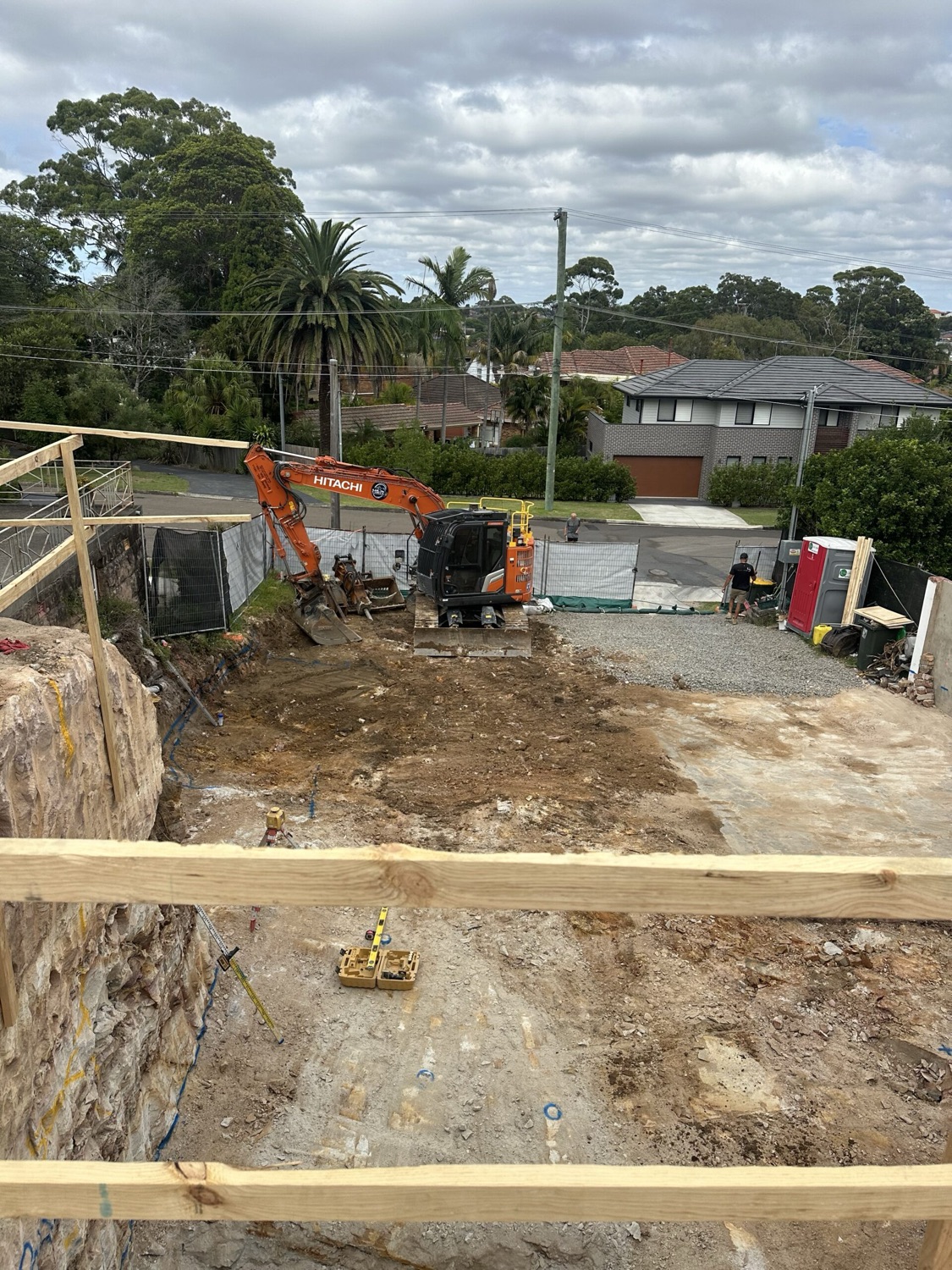
- Approvals and service disconnections take the longest, so start both as early as possible.
- Check for asbestos up front so removal is planned into the program, not found mid-demolition.
- Confirm exactly what your builder needs at handover: slab out, footings removed and the finished level.
- Using one contractor for demolition and the site cut avoids a gap between trades.
A knockdown rebuild is one of the smartest ways to get a brand-new home on land you already love. The demolition stage sets the tone for the whole build — get it prepared properly and everything downstream runs smoother. Here’s a simple checklist to get your block ready.
1. Confirm your approvals
Make sure your demolition approval (CDC or DA) is in hand and any conditions are understood. Your demolisher can advise on what’s needed and provide the demolition plan and SWMS.
2. Arrange service disconnections early
Power, gas, water and telecommunications disconnections are often the longest lead item. Start them as soon as your approval is underway so they don’t hold up the machine.
3. Empty the house and clear the block
Remove everything you want to keep — fixtures, fittings, appliances, plants and anything salvageable. Once demolition starts, it all goes. Let your demolisher know if there’s anything to be carefully removed and set aside.
4. Give the neighbours a heads-up
A quick word to the neighbours about timing and access goes a long way. Your contractor will manage dust, noise and access, but good communication keeps everyone onside.
5. Check for asbestos
If the home is older, assume asbestos may be present and use a licensed demolisher who can remove it in-house. It avoids nasty surprises and keeps the program moving.
6. Confirm the finish level
Tell your demolisher what your builder needs — slab out, footings removed, site left to a particular level. Matching the demolition to the build set-out saves rework later.
A typical knockdown rebuild timeline
| Stage | Typical timeframe |
|---|---|
| Approval for demolition and the new home (CDC or DA) | CDC often 2–4 weeks; DA commonly 6–12+ weeks |
| Service disconnections | 2–6 weeks, often in parallel with approvals |
| Asbestos removal and clearance | 1–3 days |
| Demolition and load-out | 2–5 days for a single-storey home |
| Slab removal, site clearance and site cut | 1–4 days |
| Builder starts | Once the site is handed over at the agreed level |
Typical timeframes only; every project is different.
Costs to budget for
- Demolition of the house and outbuildings — see house demolition costs
- Asbestos removal and clearance, if present
- Slab, footing, driveway and pool removal
- The site cut for the new slab — see excavation costs
- Approval fees, utility disconnection charges and any required reports
- Temporary accommodation and storage during the build
Choosing a demolition contractor
- Check their demolition and asbestos licences on the NSW Government licence check
- Ask for public liability insurance certificates of currency
- Make sure the quote is fixed, itemised and covers asbestos, slab, disposal and clean-up
- Confirm they will prepare the demolition plan (AS 2601) and SWMS
- Ask whether they can do the site cut straight after the demolition
Insurance, security and salvage
Tell your home insurer before the house is vacated and demolished, because cover often changes once a home is empty or under construction. Keep the house locked and secure once you move out, and arrange for mail redirection and utility account closures alongside the disconnections. Before demolition, decide what you want to keep: fixtures, appliances, plants, pavers and even bricks can be removed for reuse or sale. Let your contractor know in advance so salvage is planned into the first day on site rather than lost in the demolition.
Talking to your neighbours
Neighbours must be notified in writing before demolition starts, and a friendly conversation a few weeks earlier goes a long way. Let them know the expected dates, working hours and truck movements, and who to call if they have a concern. Where your approval requires dilapidation reports, they record the condition of neighbouring homes before work starts, which protects everyone.
What your builder needs at handover
Builders usually need the site cleared of the old house, slab, footings and services, levelled to an agreed height and free of debris, so the surveyor can set out the new home. Get your builder’s handover requirements in writing and pass them to your demolition contractor before the quote is finalised. Our residential demolition service is planned around exactly that handover.
H&R handles residential knockdowns across Sydney end to end, including asbestos and excavation. Book a free site inspection and we’ll walk your block with you.
Frequently asked questions
Sources & further reading
- NSW Planning Portal — Demolition as complying development
- Before You Dig Australia (BYDA)
- SafeWork NSW — Asbestos
- NSW Government — Licence check
Requirements referenced in this article were checked against the sources above on 20 October 2026. Prices are indicative and reviewed periodically — your fixed price always comes from a site inspection.

H&R Demolition & Excavation
H&R is a licensed and insured Sydney demolition, asbestos removal and excavation contractor. Our guides are written from the work our crews carry out on Sydney sites and are checked against current NSW requirements from SafeWork NSW, the NSW EPA and NSW Planning before they are published.
Ready to talk to the team?
Free, no-obligation quotes for demolition, asbestos and excavation across Sydney.
More Articles
 Costs
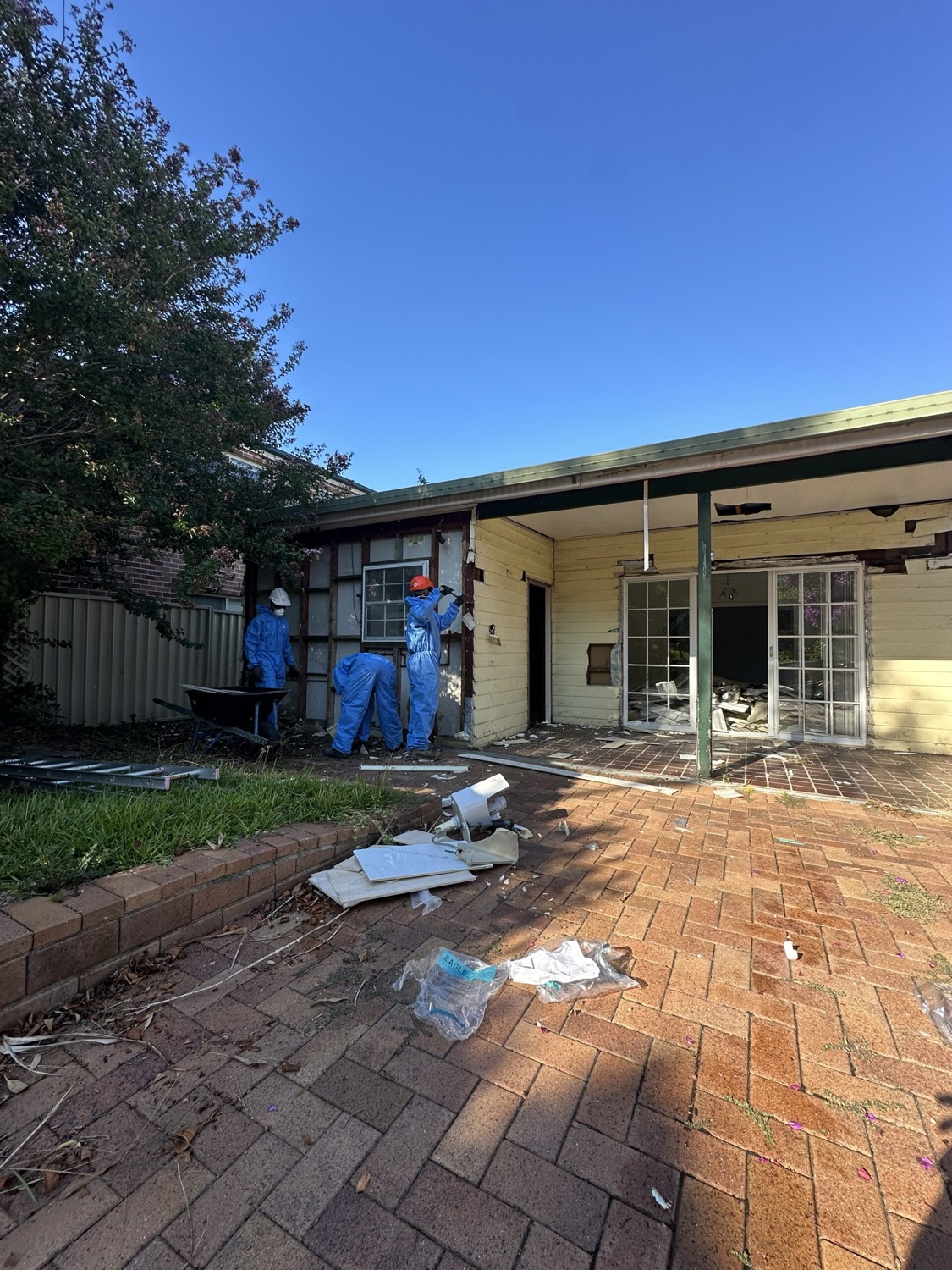
Asbestos Removal Cost in Sydney (2026): Prices, Factors & What’s Included
Indicative 2026 asbestos removal prices for Sydney — per square metre, roofs, small jobs and friable work — plus what drives the cost and what a complete quote must include.
Read Article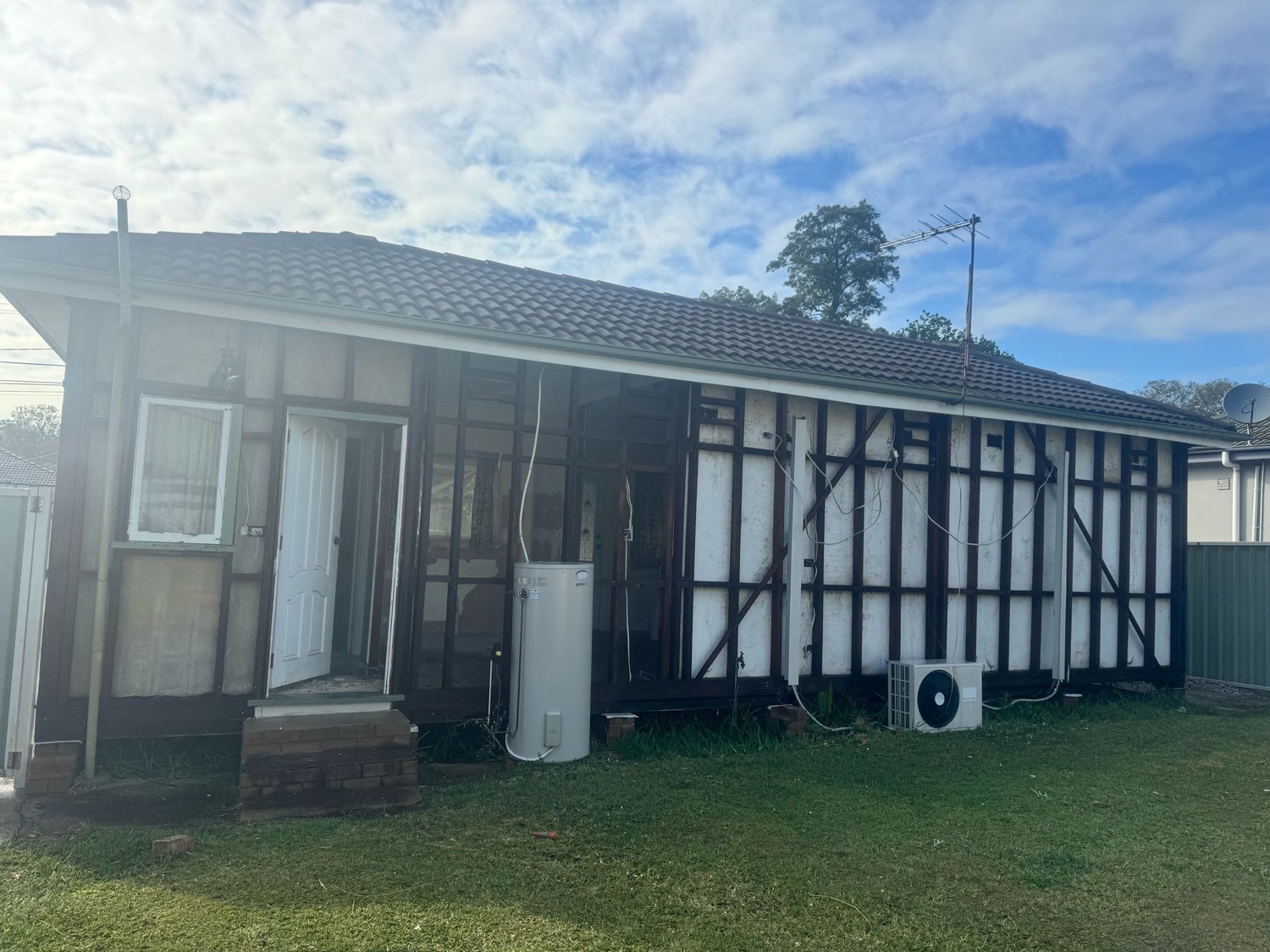 Costs
Excavation Cost in Sydney (2026): Site Cuts, Bulk Excavation & Spoil Removal
What excavation really costs in Sydney in 2026 — hourly machine and truck rates, typical site cut and bulk dig prices, and why spoil classification is the cost most people miss.
Read Article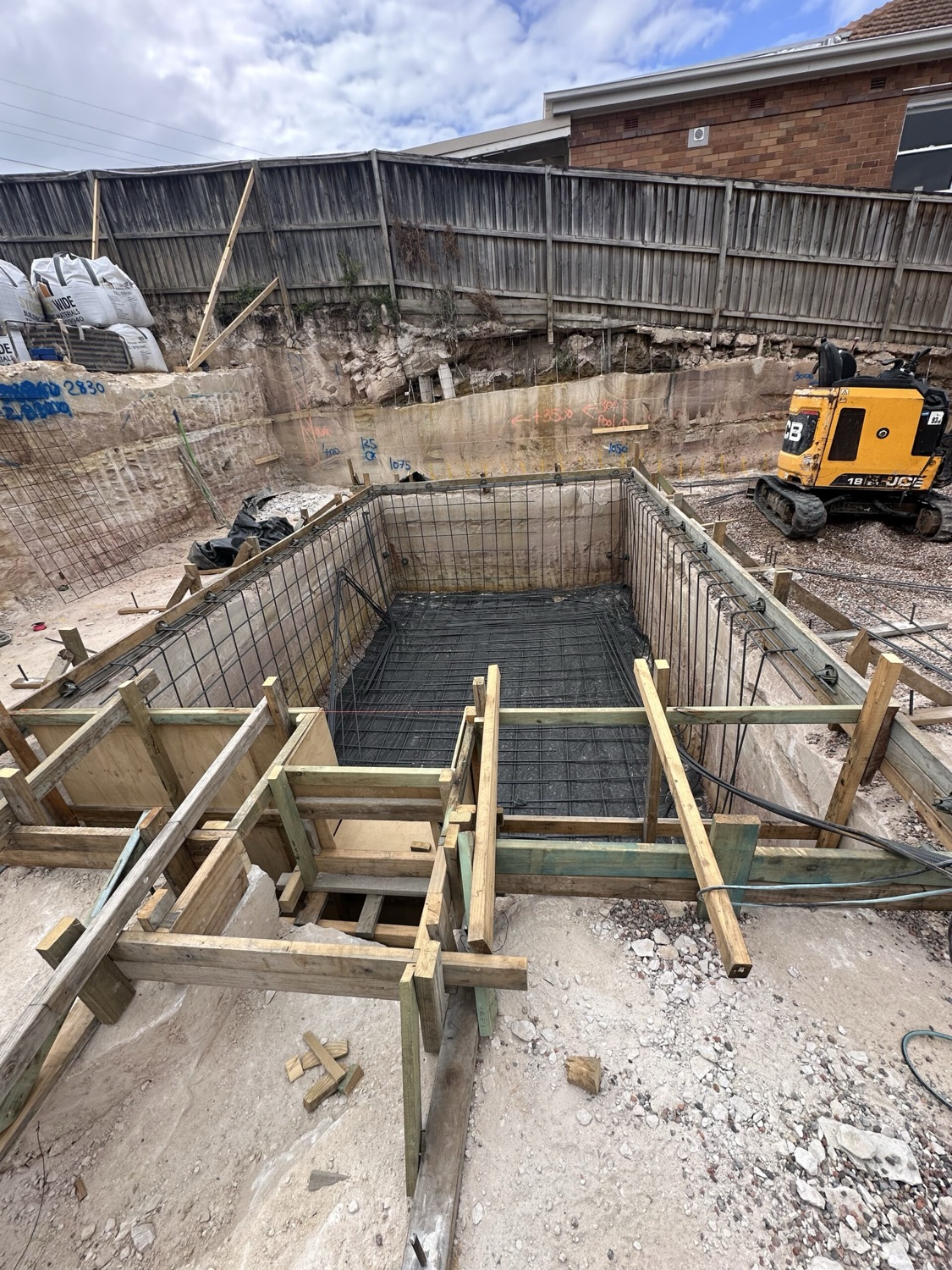 Guides
Pool Removal in Sydney: Cost, Process & Approvals (2026 Guide)
Partial or full removal? What pool removal costs in Sydney in 2026, how the process works step by step, which approvals to check, and what to know before building over the area.
Read Article