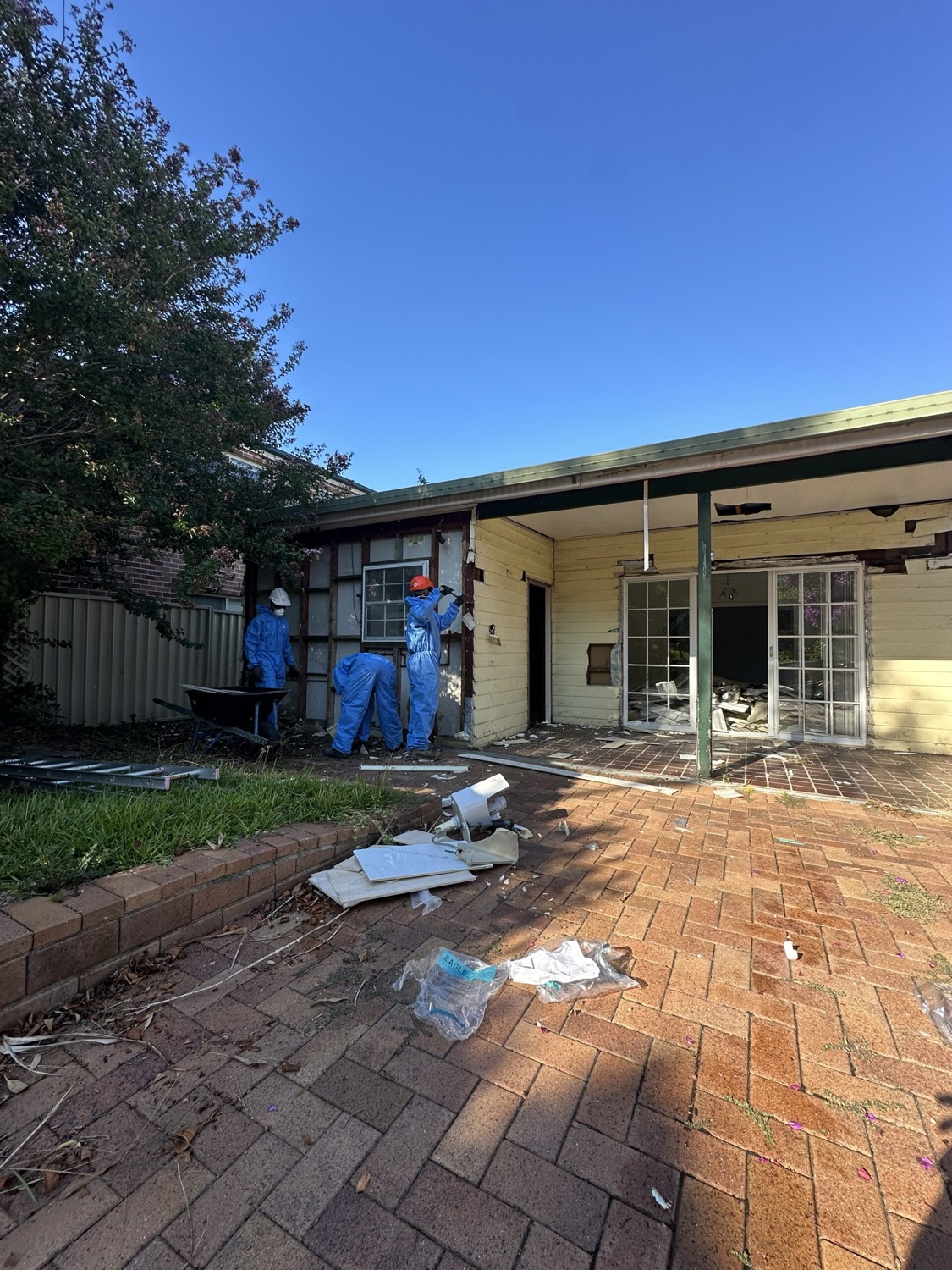
- Most bonded (non-friable) asbestos removal in Sydney is priced per square metre — roughly $40–$90/m² — with a minimum charge for small jobs.
- Friable asbestos costs considerably more: it needs a Class A licensed removalist, full containment and air monitoring by a licensed assessor.
- Testing first (around $150–$600) tells you exactly what you’re dealing with and stops surprises once a renovation or demolition is under way.
- A complete quote includes disposal, any air monitoring and the clearance certificate — compare quotes on that basis, not the headline number.
“How much will it cost to get rid of the asbestos?” is one of the most common questions we hear from Sydney homeowners, builders and property managers — and it’s a fair one, because two jobs that look the same from the street can be priced very differently. The type of asbestos, how much of it there is, where it sits in the building and how it has to be disposed of all change the number. This guide sets out indicative 2026 prices for Sydney, explains what drives them, and shows what a complete asbestos removal quote should include so you can compare like with like.
If you already know you need asbestos removed, our licensed asbestos removal service covers bonded and friable removal, air monitoring and clearance, with free on-site inspections across Sydney.
Indicative asbestos removal costs in Sydney (2026)
These ranges are a planning guide drawn from typical Sydney residential and light-commercial work. Your actual price will always come from an inspection, because quantity, access and condition vary so much from site to site.
| Job type | Indicative cost (Sydney, 2026) | Notes |
|---|---|---|
| Asbestos testing / sampling | $150 – $600 | Depends on the number of samples and laboratory turnaround |
| Small bonded job (a few fibro sheets, a section of eaves) | $1,000 – $2,500 minimum | Covers set-up, PPE, decontamination and licensed disposal |
| Bonded (non-friable) sheeting — walls, eaves, fencing | approx. $40 – $90 per m² | Per-m² rates usually drop on larger areas |
| Asbestos cement roof (typical house) | approx. $8,000 – $20,000+ | Roof size, pitch, height safety and access drive the price |
| Friable asbestos (pipe lagging, loose or badly damaged material) | often $150+ per m² | Class A licence, enclosure, negative air and air monitoring |
| Air monitoring and clearance (where required) | $300 – $1,000+ per visit | Licensed asbestos assessor for Class A work |
Indicative ranges only, reviewed October 2026. A fixed price requires a site inspection.
What drives the price of asbestos removal
1. Bonded or friable asbestos
This is the biggest single factor. Bonded (non-friable) asbestos — such as solid fibro wall sheeting, eaves and fencing — holds its fibres tightly while it is in good condition. Friable asbestos is loose, crumbly or easily reduced to powder, which makes it far more hazardous to disturb. In NSW, SafeWork NSW requires a Class B licence (or higher) to remove more than 10 m² of bonded asbestos, while any friable asbestos must be removed by a Class A licence holder. Friable work needs sealed enclosures, negative air pressure and independent air monitoring, so it costs much more per square metre.
2. How much there is — and where it is
Quantity matters, but so does location. Eaves and roofs need edge protection or scaffolding; wet-area sheeting usually sits behind tiles that have to come off first; vinyl tiles may have asbestos-containing backing or adhesive; and under-floor or in-ceiling material can be slow to reach. A small quantity in a hard-to-reach spot can cost more than a larger area of easily accessible sheeting.
3. Access and site conditions
Tight inner-city blocks, shared walls on terraces and semis, steep driveways and limited street frontage all add time. On sites with close neighbours, extra protection and wetting-down are needed to keep fibres contained. These controls are not optional extras — they are what keeps you, your family and the people next door safe.
4. Disposal and tracking
Asbestos can only go to a facility licensed to accept it, and larger loads must be tracked through the NSW EPA’s system so there is a record of where it ended up. Disposal is charged by weight or volume and is a genuine cost in every quote. The NSW EPA’s guidance on household asbestos explains the disposal rules in more detail.
5. Testing, air monitoring and clearance
For Class A (friable) work, a licensed asbestos assessor carries out air monitoring and the clearance inspection. For Class B (bonded) removal, a clearance inspection by a competent person confirms the area is safe before other trades return. That clearance certificate is what lets your builder, renovator or new tenant move back in with confidence — so make sure it is in the quote.
When asbestos removal is part of a demolition
Most Sydney homes built or renovated before 1990 contain at least some asbestos, so it is routinely part of a knockdown. Removing it as part of the same program is usually cheaper and faster than bringing in a separate contractor: the asbestos is identified at the inspection, removed and cleared first, and the house demolition follows straight on. Our house demolition cost guide shows how asbestos fits into the overall knockdown budget.
What a complete asbestos removal quote should include
- Identification of the material (and testing, if it hasn’t already been confirmed)
- The licence class that applies — Class A for friable, Class B for bonded over 10 m²
- The removal method, safe work method statement and asbestos removal control plan
- PPE, decontamination, wetting-down and protection of neighbouring areas
- Licensed disposal, including transport and tracking
- Air monitoring where it is required, and the clearance inspection and certificate
- Site clean-up and a realistic timeframe
Can you remove asbestos yourself in NSW?
NSW rules allow up to 10 m² of bonded asbestos to be removed without a licence, but we strongly advise against it. Breaking, drilling, sanding or water-blasting asbestos releases fibres that can cause serious, irreversible disease decades later, and you are still responsible for safe handling and legal disposal. Friable asbestos can only ever be removed by a Class A licence holder. The NSW Government’s asbestos information site is a good starting point if you want to understand the risks.
How to keep asbestos removal costs down
- Test early — before renovation or demolition work starts — so the scope is known up front.
- Don’t disturb suspected material; damaged bonded asbestos can become friable and much more expensive to remove.
- Combine removal with your demolition or strip-out so there’s one mobilisation and one program.
- Clear access to the work area (furniture, vehicles, storage) before the crew arrives.
- Ask for an itemised quote so you can see exactly what is and isn’t included.
H&R Demolition & Excavation is a licensed asbestos removal and demolition contractor working across Sydney. Book a free inspection and we’ll identify what you have, explain the options and give you a fixed, itemised price.
Frequently asked questions
Sources & further reading
- SafeWork NSW — Asbestos
- SafeWork NSW — Class A asbestos removal licence
- SafeWork NSW — Class B asbestos removal licence
- SafeWork NSW — Asbestos assessor licence
- NSW EPA — Dealing with household asbestos
- NSW Government — Asbestos information (asbestos.nsw.gov.au)
Requirements referenced in this article were checked against the sources above on 13 October 2026. Prices are indicative and reviewed periodically — your fixed price always comes from a site inspection.
H&R Demolition & Excavation
H&R is a licensed and insured Sydney demolition, asbestos removal and excavation contractor. Our guides are written from the work our crews carry out on Sydney sites and are checked against current NSW requirements from SafeWork NSW, the NSW EPA and NSW Planning before they are published.
Ready to talk to the team?
Free, no-obligation quotes for demolition, asbestos and excavation across Sydney.
More Articles
 Costs
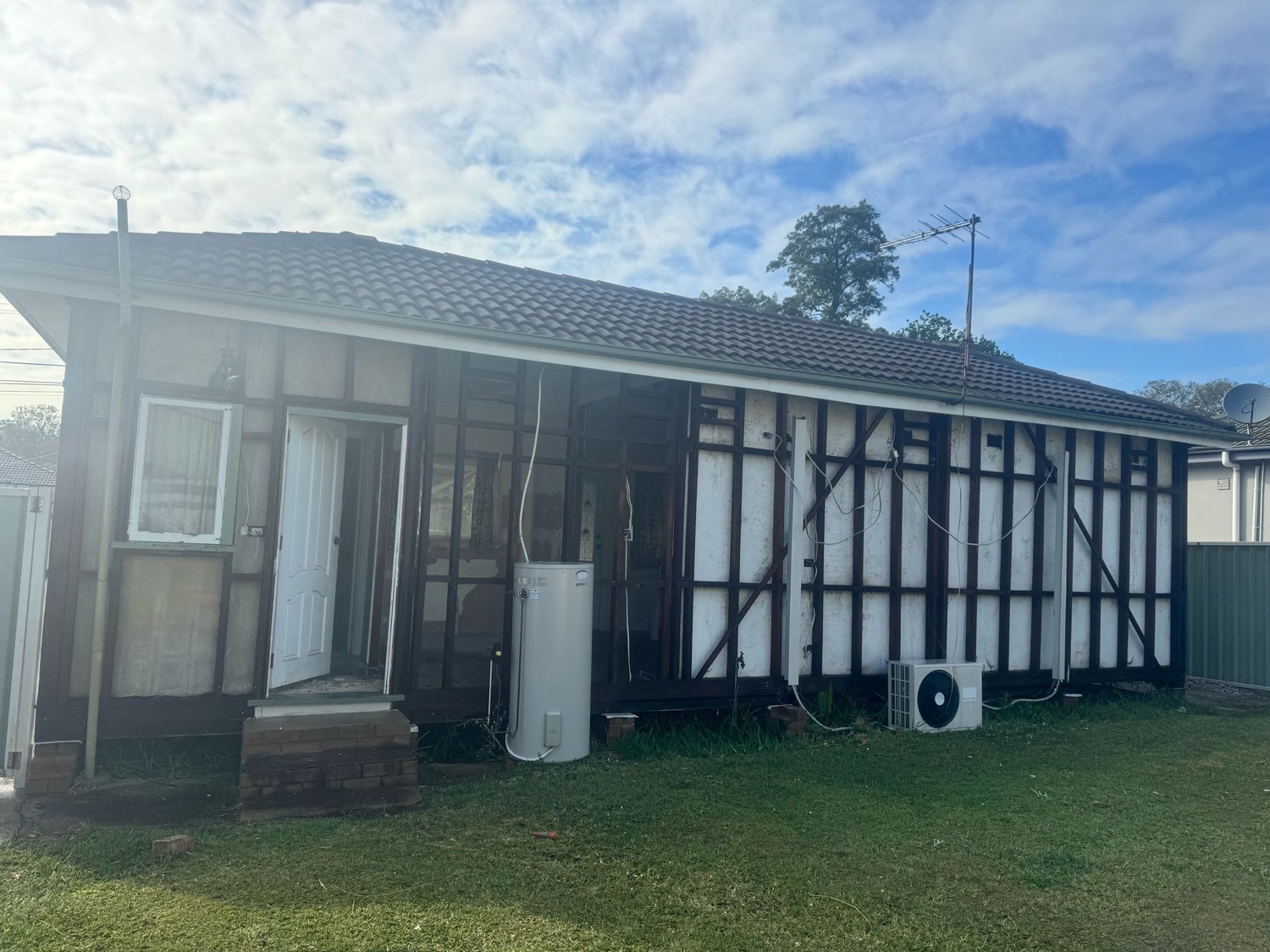
Excavation Cost in Sydney (2026): Site Cuts, Bulk Excavation & Spoil Removal
What excavation really costs in Sydney in 2026 — hourly machine and truck rates, typical site cut and bulk dig prices, and why spoil classification is the cost most people miss.
Read Article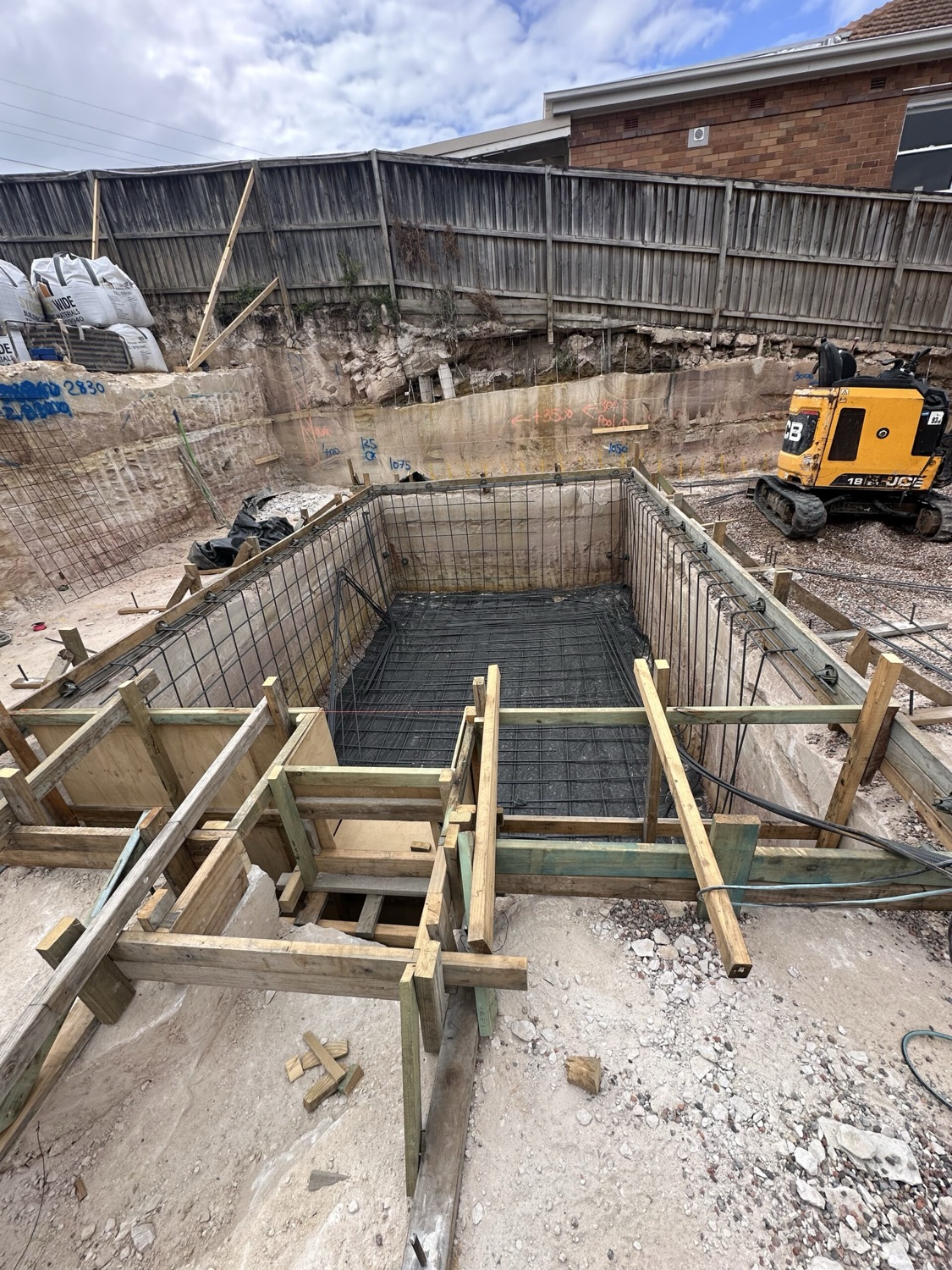 Guides
Pool Removal in Sydney: Cost, Process & Approvals (2026 Guide)
Partial or full removal? What pool removal costs in Sydney in 2026, how the process works step by step, which approvals to check, and what to know before building over the area.
Read Article Commercial
End of Lease Make Good in Sydney: A Tenant’s Guide to Commercial Strip Outs
What an end-of-lease make good really involves for Sydney tenants — reading the clause, agreeing scope, typical costs and timelines, and how to get sign-off without a bond dispute.
Read Article