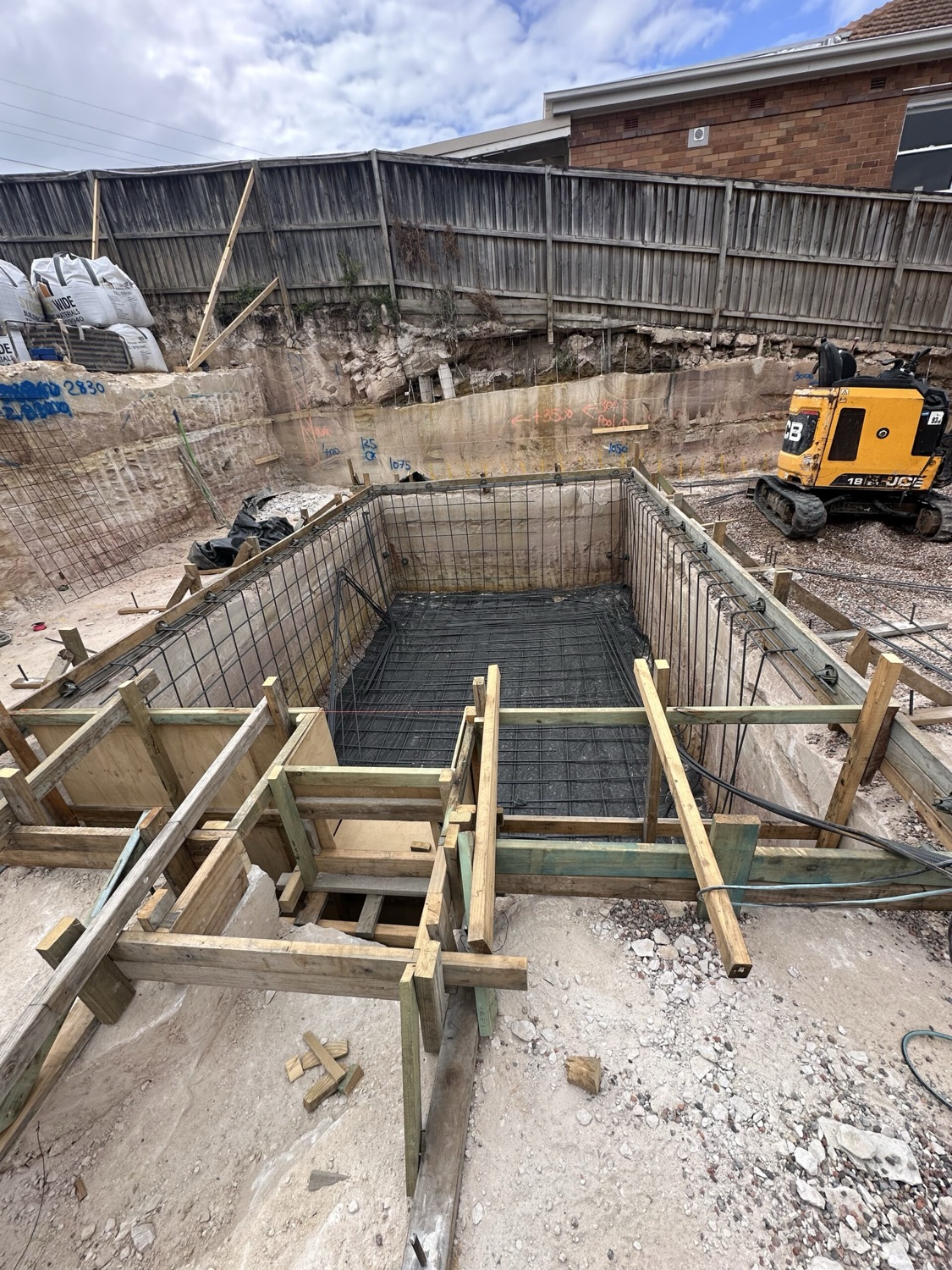
- Partial removal (break out the top, drain the base, fill and compact) is cheaper; full removal takes the whole shell out and suits building over the area.
- Indicative 2026 costs: partial approx. $8,000–$18,000 and full approx. $15,000–$35,000+ for a typical concrete pool.
- Approval requirements vary by council and project — check before you start, and update the NSW Swimming Pool Register once the pool is gone.
- If you plan to build over the area, full removal with engineered compaction is usually the right choice.
An unused pool takes up space, costs money to maintain and keep compliant, and can limit what you do with your backyard. Many Sydney homeowners decide to remove a pool as part of a renovation, a landscaping project or a knockdown rebuild. This guide explains the two main ways a pool is removed, what each typically costs in 2026, how the job is done, and the approvals and paperwork to check before you start.
Pool removal is part of our residential demolition service, and we handle the excavation, fill and compaction under the same program through our excavation team.
Partial vs full pool removal
Partial removal (fill-in)
The top section of the pool shell and the coping are broken out, holes are made in the base so water can drain away, and the remaining shell is filled with clean material that is compacted in layers. It is the quicker and cheaper option. The trade-off is that part of the old pool stays in the ground, which may need to be disclosed when you sell and is generally not suitable for building over without engineering advice.
Full removal
The entire shell, coping, plumbing and associated structures are broken out and taken away, and the void is backfilled with suitable material and compacted. It costs more and takes longer, but leaves nothing behind — which is why it is the usual choice when you plan to build a home, extension, granny flat or slab over the area.
Indicative pool removal costs in Sydney (2026)
| Pool type | Partial removal (indicative) | Full removal (indicative) |
|---|---|---|
| Fibreglass pool | approx. $6,000 – $12,000 | approx. $10,000 – $20,000 |
| Concrete pool (small–medium) | approx. $8,000 – $18,000 | approx. $15,000 – $35,000+ |
| Large pool or difficult access | priced on inspection | priced on inspection |
Indicative ranges only, reviewed October 2026. Paving, decking, fencing and landscaping reinstatement are usually priced separately.
What drives the cost
- Size, depth and construction — concrete shells take longer to break out than fibreglass, and deeper pools need more fill.
- Access — many Sydney backyards are reached through a narrow side gate, which means smaller machines and more time. Larger access can bring the cost down.
- Fill and compaction — clean fill has to be brought in and compacted in layers; the volume needed is often larger than people expect.
- Disposal and recycling — broken concrete can usually be recycled, which helps keep disposal costs down.
- Surrounds — paving, decking, retaining walls and pool fencing add scope if they are coming out too.
The pool removal process, step by step
- Site inspection and quote, including how machinery will access the pool.
- Check approvals with your council or certifier (see below).
- Drain the pool and have an electrician disconnect the pump and electrics; cap the plumbing.
- Remove coping, paving and any decking around the pool.
- Break out the shell — the top section for a partial removal, or the whole shell for a full removal.
- Separate concrete and steel for recycling and remove the debris.
- Backfill with suitable material and compact it in layers.
- Finish to the agreed level, ready for turf, landscaping or construction.
- Update the NSW Swimming Pool Register and keep your paperwork.
Fibreglass vs concrete pool removal
Fibreglass pools are a single moulded shell, so they can often be cut into sections and lifted out, which is usually faster than breaking out concrete. Concrete pools — sprayed or poured, with steel reinforcement — have to be broken out with an excavator and hydraulic hammer, and the concrete and steel separated for recycling. Concrete pools also tend to be deeper and larger, which increases the fill needed. Vinyl-lined pools sit somewhere in between: the liner and wall panels come out first, then the base and surrounds.
Preparing for pool removal day
- Clear a path from the street to the pool and move outdoor furniture, pot plants and anything fragile.
- Tell your neighbours — machinery noise and truck movements usually run for a few days.
- Locate irrigation lines, garden lighting and any other services near the pool so they can be protected or removed.
- Confirm the finished level you want: turf, garden beds, paving or a build-ready pad.
- Keep the pool fence in place until the work is finished and the area is safe.
Do you need council approval to remove a pool?
It depends on your council and the project. In some cases pool removal can be carried out as exempt or complying development; in others a development application is required, particularly where heritage or other site constraints apply. If the pool is being removed as part of a knockdown rebuild, it is normally covered within the demolition approval. Check with your council or a private certifier before work starts — the NSW Planning Portal is the place to start.
After the work, keep the quote, any engineering or compaction records and the disposal dockets with your property documents. If you sell later, a buyer or their conveyancer may ask how the pool was removed and whether the area is suitable for building.
Building over a removed pool
If you plan to build over the area, the ground needs to be able to support the new structure. That usually means full removal, backfilling with suitable material and compaction to an engineered specification, with testing where your engineer requires it. Partial removal leaves the old shell and drainage in place, which is rarely suitable for a slab. Talk to your builder and engineer early so the backfill is done to the right standard.
Pool removal as part of a knockdown rebuild
When the house is coming down anyway, removing the pool at the same time is efficient: the machinery is already on site, access is often better once the house is gone, and the whole block can be cleared and levelled in one program. Our house demolition cost guide and knockdown rebuild checklist cover the rest of the planning.
H&R Demolition & Excavation removes fibreglass and concrete pools across Sydney, from the Sutherland Shire to the Inner West. Book a free inspection for a fixed, itemised price.
Frequently asked questions
Sources & further reading
Requirements referenced in this article were checked against the sources above on 13 October 2026. Prices are indicative and reviewed periodically — your fixed price always comes from a site inspection.

H&R Demolition & Excavation
H&R is a licensed and insured Sydney demolition, asbestos removal and excavation contractor. Our guides are written from the work our crews carry out on Sydney sites and are checked against current NSW requirements from SafeWork NSW, the NSW EPA and NSW Planning before they are published.
Ready to talk to the team?
Free, no-obligation quotes for demolition, asbestos and excavation across Sydney.
More Articles
 Costs
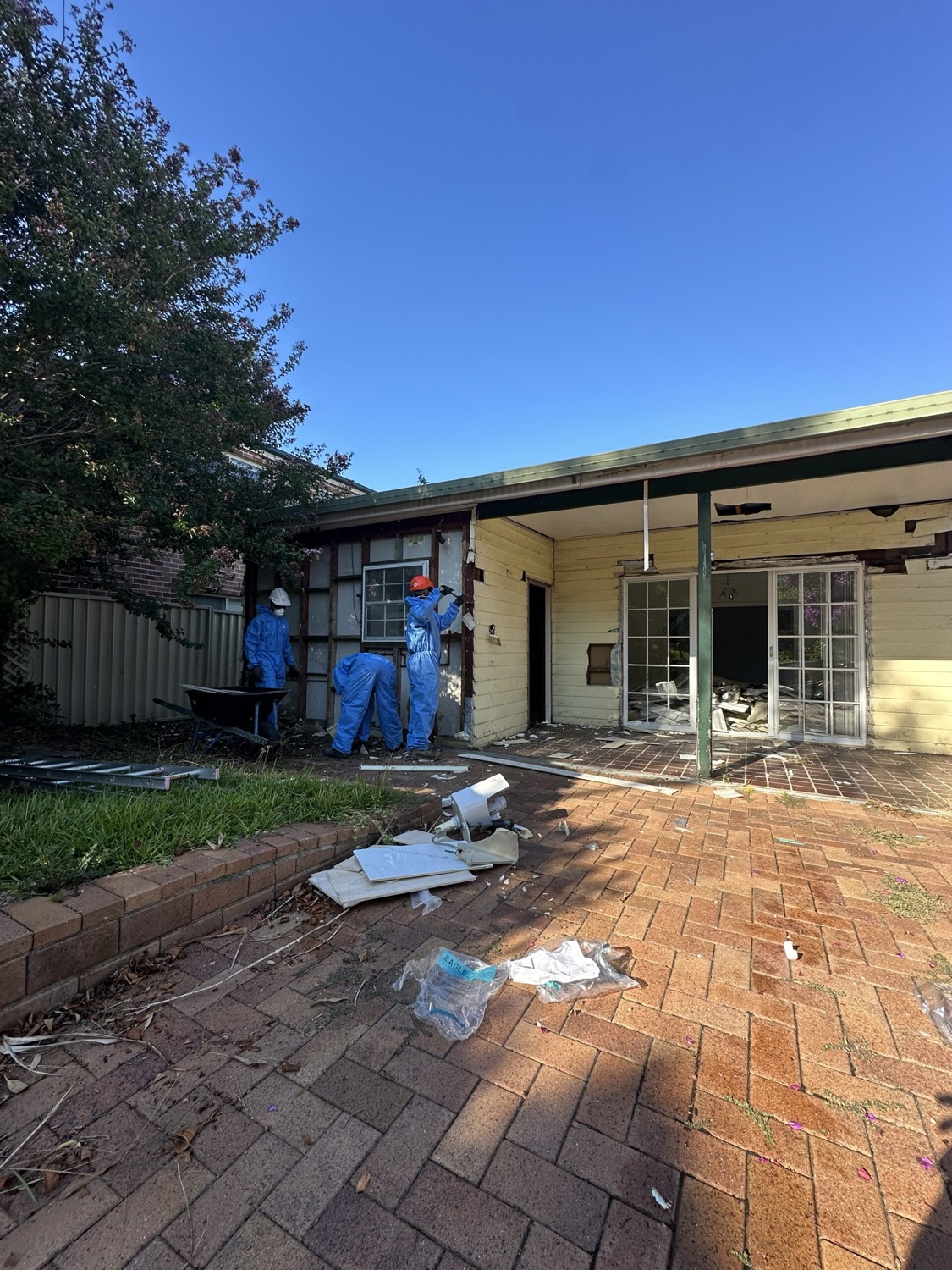
Asbestos Removal Cost in Sydney (2026): Prices, Factors & What’s Included
Indicative 2026 asbestos removal prices for Sydney — per square metre, roofs, small jobs and friable work — plus what drives the cost and what a complete quote must include.
Read Article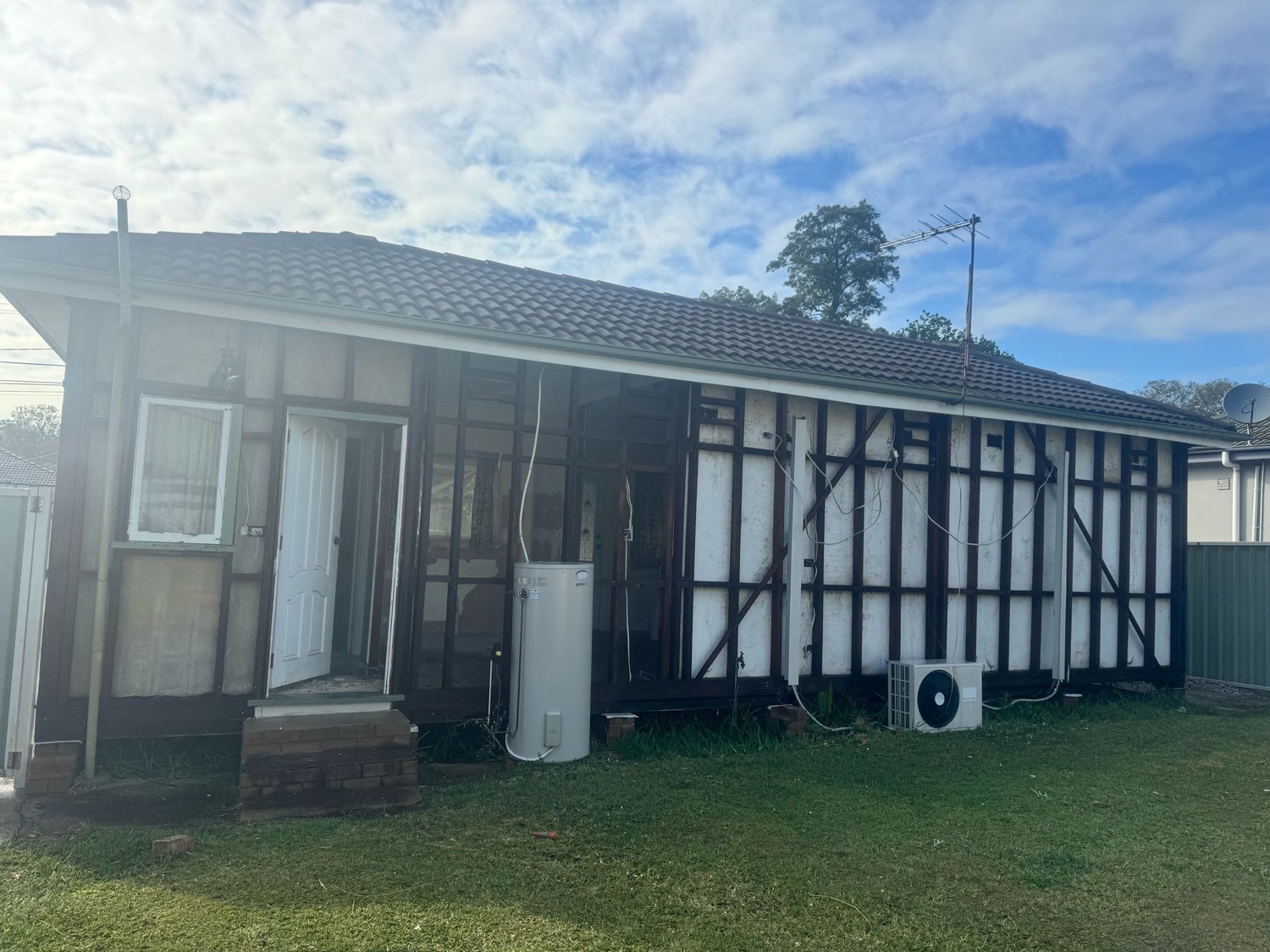 Costs
Excavation Cost in Sydney (2026): Site Cuts, Bulk Excavation & Spoil Removal
What excavation really costs in Sydney in 2026 — hourly machine and truck rates, typical site cut and bulk dig prices, and why spoil classification is the cost most people miss.
Read Article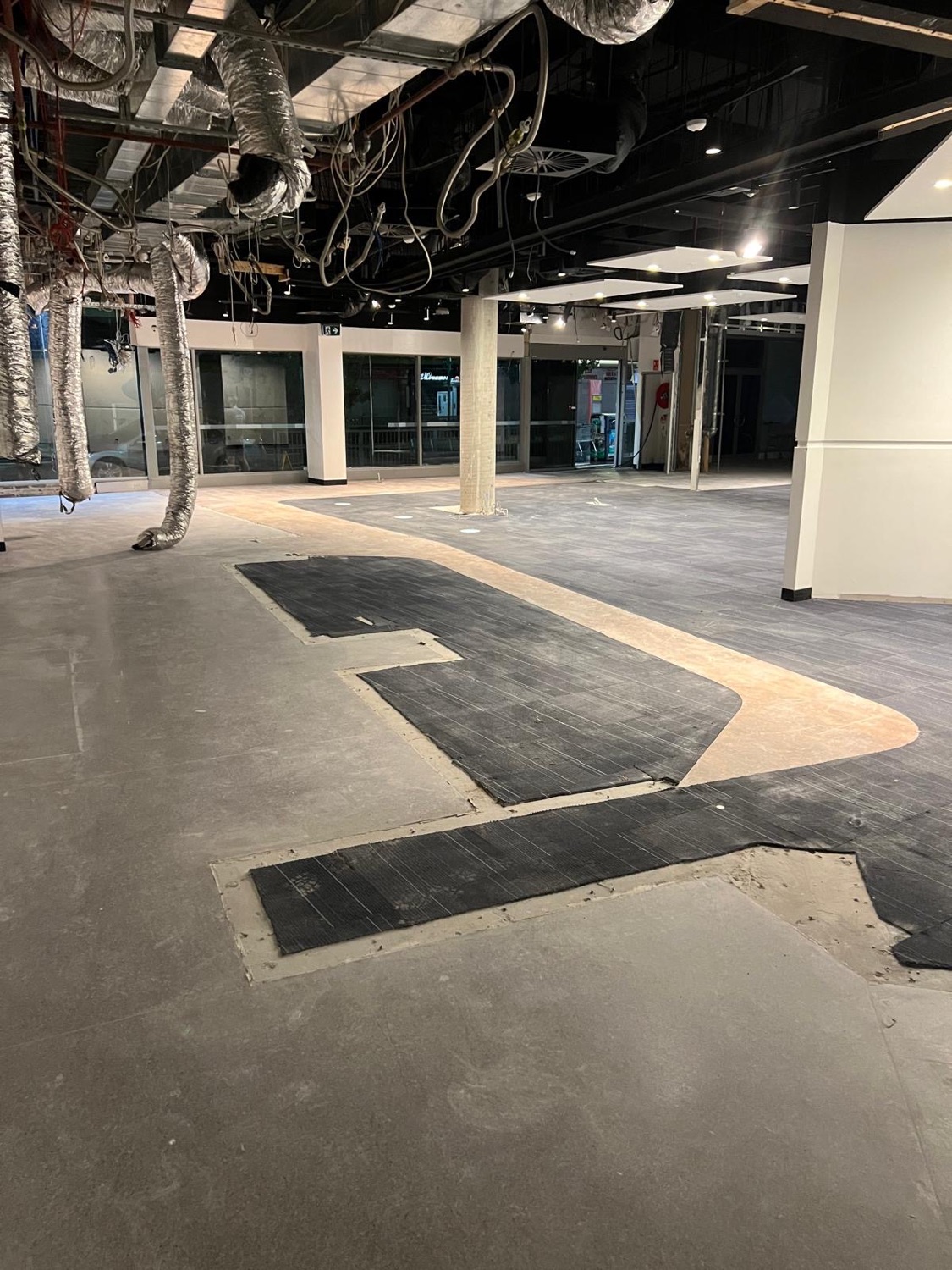 Commercial
End of Lease Make Good in Sydney: A Tenant’s Guide to Commercial Strip Outs
What an end-of-lease make good really involves for Sydney tenants — reading the clause, agreeing scope, typical costs and timelines, and how to get sign-off without a bond dispute.
Read Article