- Sydney excavation is priced either by the hour (machine and truck hire with operators) or as a fixed lump sum for a defined scope.
- Spoil disposal is often the biggest variable — how the soil is classified can change the cost of the same dig dramatically.
- Rock, access, groundwater and the number of truck movements all move the price.
- Combining demolition and excavation in one program avoids a second mobilisation and a handover gap.
Excavation quotes in Sydney can vary by thousands of dollars for what looks like the same job. That’s because the dig itself is only part of the cost — the trucks that carry the spoil away, and what that spoil is classified as when it reaches the tip, often cost more than the machine time. This guide explains how excavation is priced, gives indicative 2026 rates and job costs for Sydney, and walks through the factors that move the number so you can read a quote properly.
For site cuts, bulk excavation, spoil removal and clean fill, see our excavation and haulage service.
How excavation is priced in Sydney
There are two common pricing models. Hourly hire means you pay for the excavator and operator (“wet hire”) plus trucks by the hour, and disposal on top. It suits small or uncertain jobs, but the final cost depends on how the day goes. Fixed or lump-sum pricing prices a defined scope — for example, “cut the site to these levels, remove the spoil and leave it ready for the slab”. It gives you certainty, but only if the scope, levels and disposal assumptions are written down clearly.
Indicative excavation costs (Sydney, 2026)
| Item | Indicative cost | Typical use |
|---|---|---|
| Mini excavator (1–3 t) with operator | approx. $100 – $140 per hour | Tight access, trenching, small site cuts |
| Medium excavator (5–8 t) with operator | approx. $120 – $170 per hour | Residential site cuts, pools, footings |
| Large excavator (13–20 t+) with operator | approx. $150 – $250+ per hour | Bulk excavation, basements, commercial pads |
| Truck and dog (spoil cart-away) | approx. $130 – $190 per hour | Number of loads depends on volume and bulking |
| Residential site cut for a new slab | approx. $3,000 – $15,000+ | Depends on cut depth, rock, access and disposal |
| Bulk excavation (e.g. a basement) | often $60 – $150+ per m³ including removal | Spoil classification and rock drive the rate |
Indicative ranges only, reviewed October 2026. Rock breaking, shoring, dewatering and testing are priced separately.
Spoil classification — the cost most people miss
Every load of excavated material has to go somewhere, and where it can go depends on what it is. Under NSW waste rules (see the NSW EPA’s guide to classifying waste), excavated material generally falls into one of a few categories:
- VENM (virgin excavated natural material) — clean, natural material such as clay, sandstone or shale that has not been contaminated. Usually the cheapest to dispose of, and sometimes reusable.
- ENM (excavated natural material) — natural material that meets set criteria after testing, which allows it to be reused under specific conditions.
- General solid waste — material that doesn’t meet those criteria, often fill containing bricks, concrete or rubbish. Typically attracts landfill charges and the waste levy.
- Contaminated or special waste — for example soil containing asbestos fragments or chemical contamination. Much more expensive, with strict handling and tracking.
Receiving sites will often ask for testing or a classification report before they accept a load. Because the NSW waste levy in the Sydney metropolitan area is among the highest in Australia, getting the classification right — and keeping clean material separate from fill — can make a big difference to the total.
Other factors that move the price
Volume and “bulking”
Soil expands when it is dug out — often by around a quarter to a third — so it takes more truck loads than the in-ground volume suggests. A good quote accounts for this rather than estimating loads from the plan dimensions alone.
Rock
Much of Sydney sits on sandstone and shale. Where the cut hits rock, a hydraulic hammer or rock saw is needed, which is slower and is usually priced as an additional hourly rate. Geotechnical reports, where you have one, help price this realistically.
Access, levels and shoring
Narrow frontages, steep blocks and overhead power lines may mean smaller machines and more time. Deeper cuts near boundaries can need engineered batters or shoring, and basements may need groundwater management. Your engineer’s design sets these requirements.
Underground services
Before any digging, underground services should be located. Before You Dig Australia is a free service that provides plans of underground assets, and a careful contractor will also locate and protect services on site. Trenches deeper than 1.5 metres are classed as high-risk construction work and require a safe work method statement.
Distance and traffic
Every truck load is a round trip to the tip or receiving site. Distance, traffic and any restrictions on truck movements in your street all affect how many loads a truck can complete in a day.
Importing clean fill
Not every job is a cut. Sloping blocks, pool removals and low-lying yards often need material brought in to build the ground up. Imported fill should be clean, suitable for the purpose and supplied with documentation, because cheap fill of unknown origin can contain building waste or contaminants that cause problems later — and can be expensive to dig out again. Where the fill will support a slab, footings or a driveway, it needs to be placed and compacted in layers to the specification your engineer sets, and compaction testing may be required. Ask your contractor where the fill is coming from, what it is, and how it will be compacted.
Excavation as part of a knockdown rebuild
On a knockdown rebuild, the block usually needs to be cut and levelled for the new slab straight after demolition. Using the same contractor for demolition and excavation means one mobilisation, one program and no gap between trades. It also means the demolition waste and the excavated spoil can be separated properly from the start. Our guide to how long a house demolition takes shows where the site cut fits in the overall timeline.
How to compare excavation quotes
- Check whether the price is hourly or fixed, and exactly what scope the fixed price covers.
- Confirm disposal is included — and what spoil classification the price assumes.
- Ask how rock is handled and priced if it is encountered.
- Check the levels and set-out the contractor is working to.
- Confirm who locates services and what happens if an unknown service is found.
- Ask how variations are priced before you sign.
H&R Demolition & Excavation handles site cuts, bulk and detailed excavation, spoil removal and clean fill across Sydney. Request a free quote and we’ll price your excavation with the disposal assumptions written down.
Frequently asked questions
Sources & further reading
Requirements referenced in this article were checked against the sources above on 13 October 2026. Prices are indicative and reviewed periodically — your fixed price always comes from a site inspection.

H&R Demolition & Excavation
H&R is a licensed and insured Sydney demolition, asbestos removal and excavation contractor. Our guides are written from the work our crews carry out on Sydney sites and are checked against current NSW requirements from SafeWork NSW, the NSW EPA and NSW Planning before they are published.
Ready to talk to the team?
Free, no-obligation quotes for demolition, asbestos and excavation across Sydney.
More Articles
 Costs
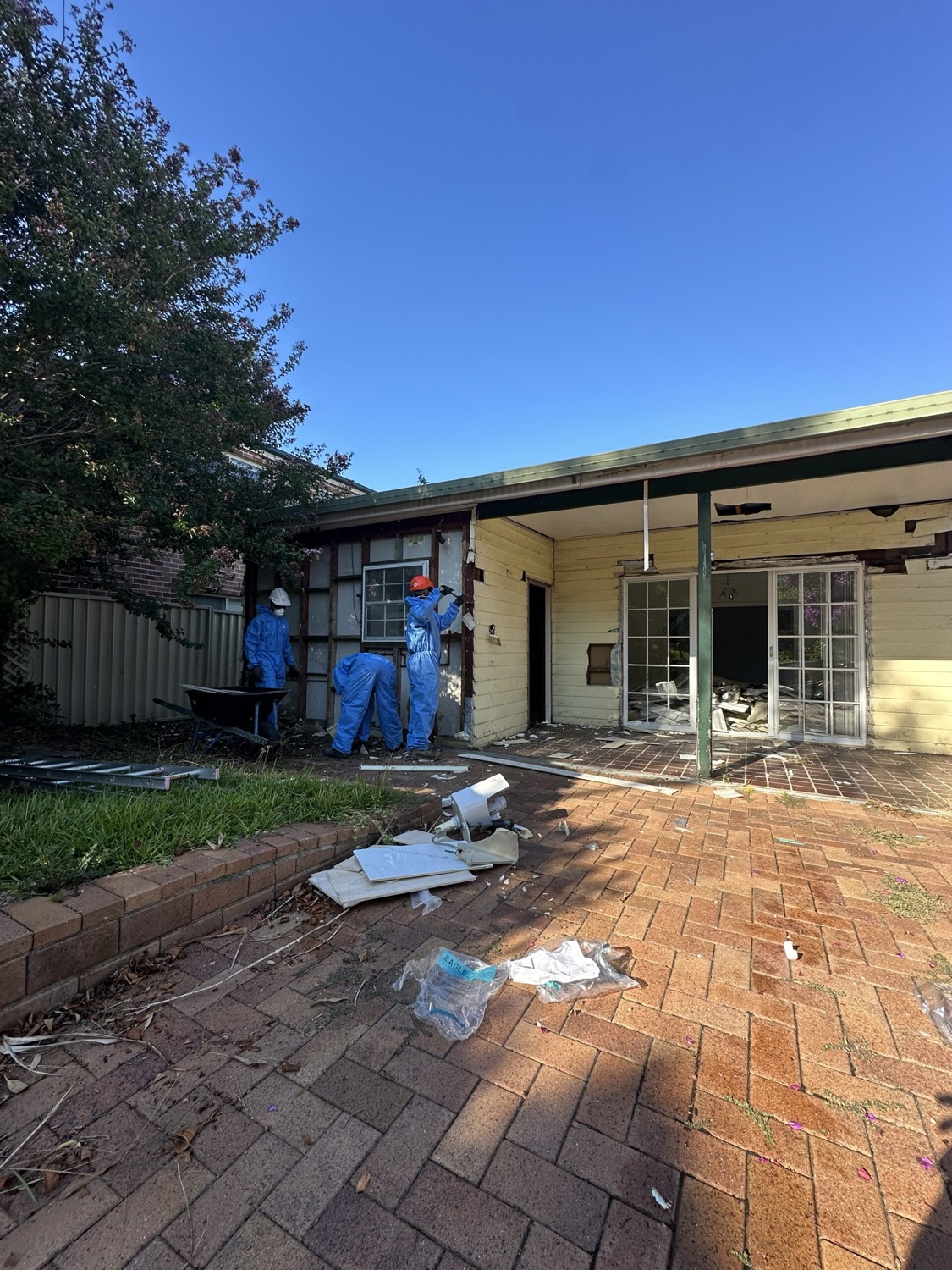
Asbestos Removal Cost in Sydney (2026): Prices, Factors & What’s Included
Indicative 2026 asbestos removal prices for Sydney — per square metre, roofs, small jobs and friable work — plus what drives the cost and what a complete quote must include.
Read Article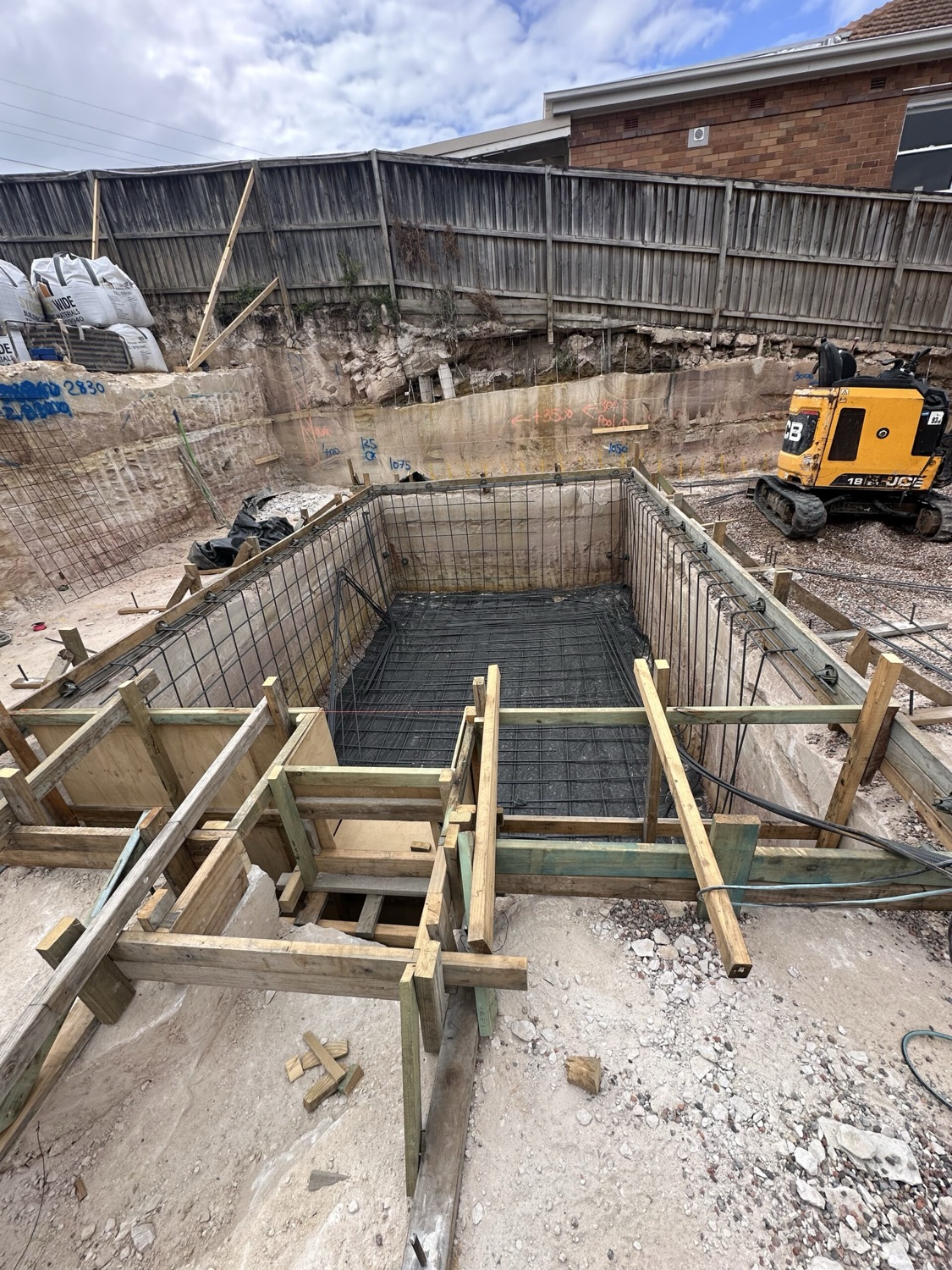 Guides
Pool Removal in Sydney: Cost, Process & Approvals (2026 Guide)
Partial or full removal? What pool removal costs in Sydney in 2026, how the process works step by step, which approvals to check, and what to know before building over the area.
Read Article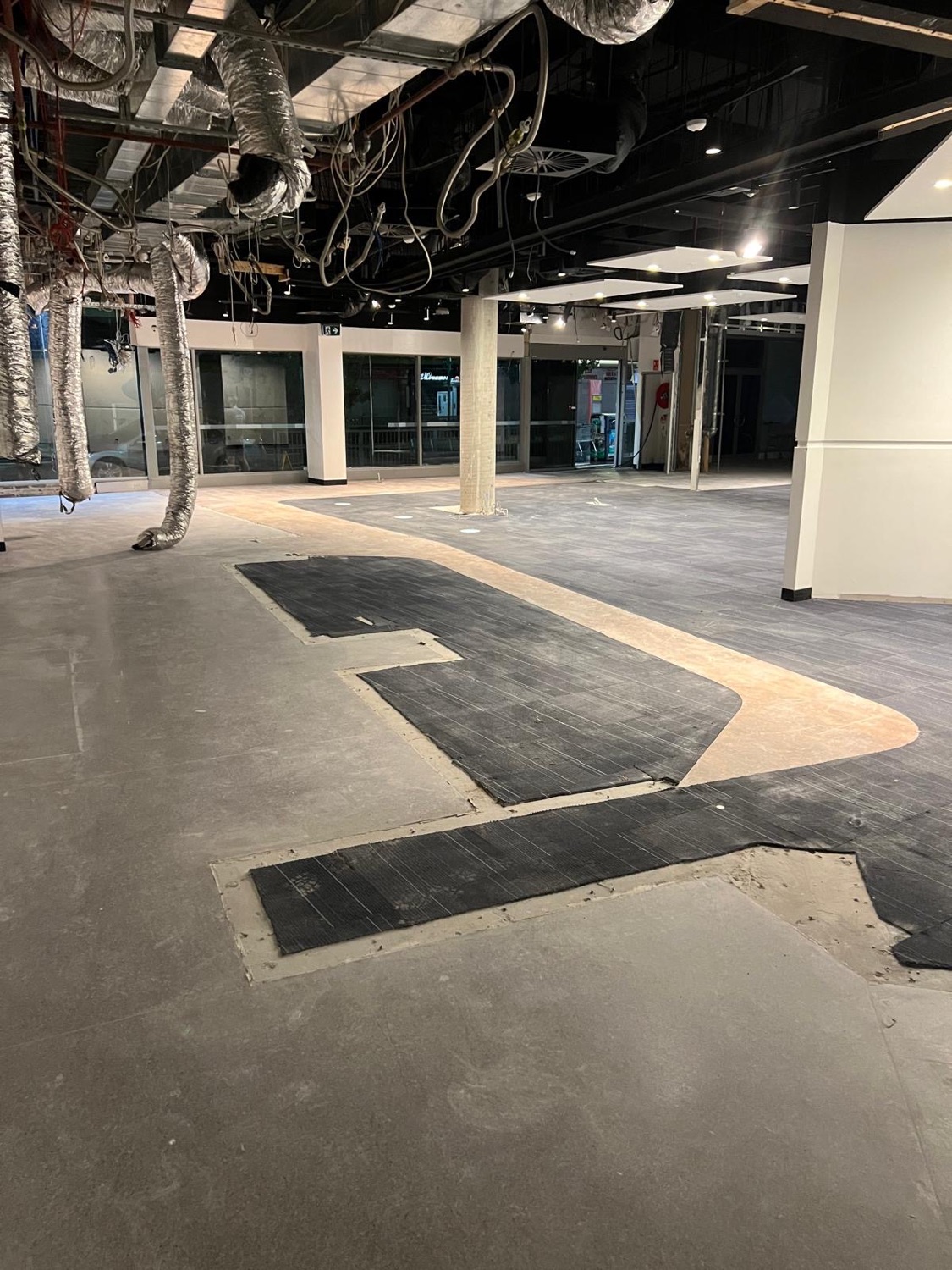 Commercial
End of Lease Make Good in Sydney: A Tenant’s Guide to Commercial Strip Outs
What an end-of-lease make good really involves for Sydney tenants — reading the clause, agreeing scope, typical costs and timelines, and how to get sign-off without a bond dispute.
Read Article