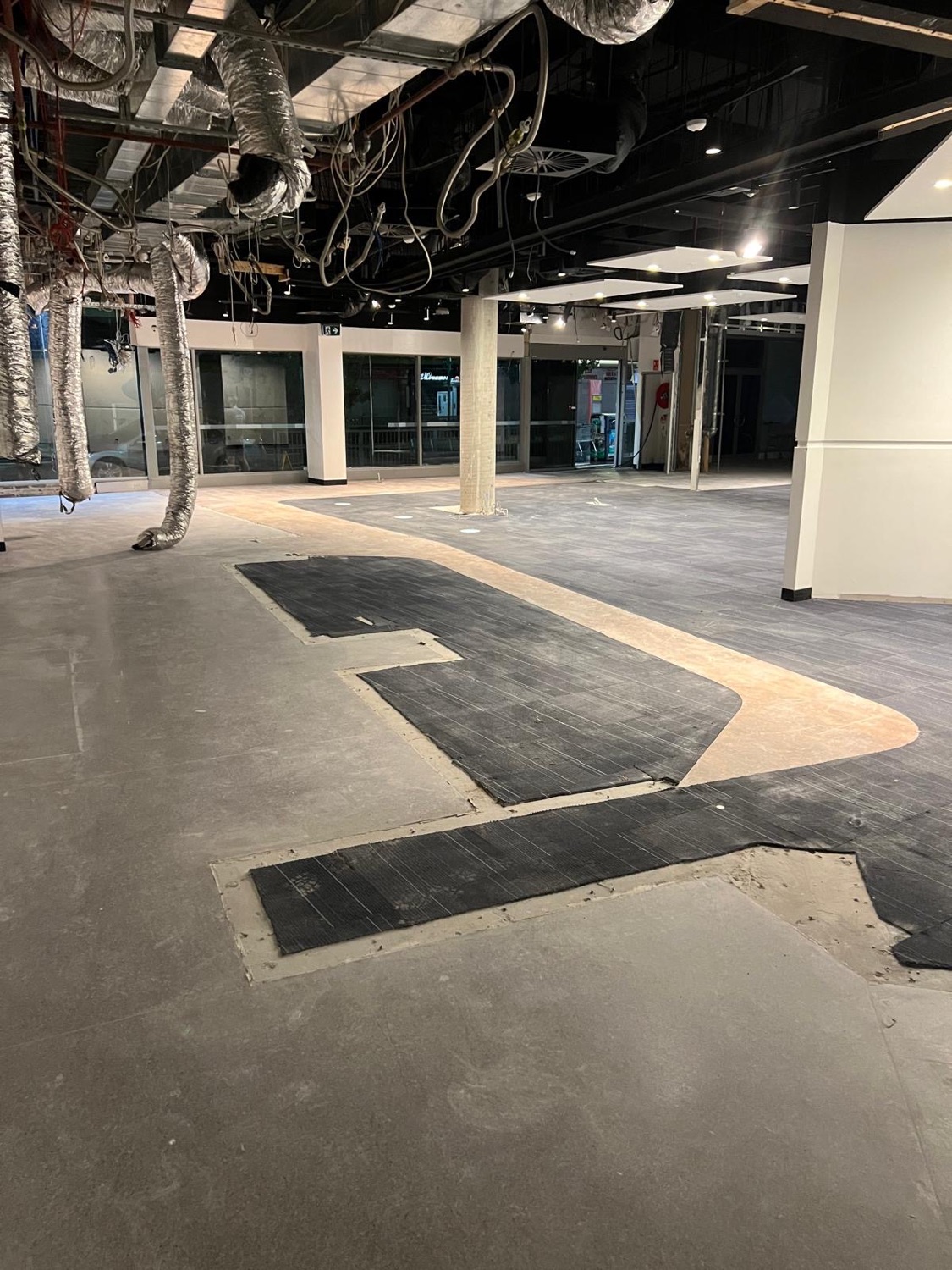
- Your lease defines make good — read the clause and any handover schedule or photos before anything is removed.
- Scope ranges from patching and cleaning to a full strip back to the base building.
- Start planning three to six months before the lease ends; after-hours access and lifts must be booked with building management.
- Agree the scope with the landlord in writing to avoid bond deductions and disputes at handover.
When a commercial lease ends, most tenants have an obligation to “make good” — to return the premises to the condition the lease requires. Make good can be a modest clean-up or a full strip-out back to the base building, and getting it wrong can mean bond deductions, holding-over costs or a dispute with the landlord. This guide explains what make good usually involves for Sydney offices, retail and hospitality tenancies, how long it takes, indicative costs, and how to get a clean sign-off.
Our commercial strip out service handles end-of-lease make good across Sydney, including after-hours work in occupied buildings.
What “make good” actually means
There is no single definition — it depends on your lease. Some leases require the premises to be returned to the condition at the start of the lease (often shown in a handover schedule or photos). Others require removal of the tenant’s fit-out back to the base building, or set out a specific list of items. Some landlords will accept a cash payment instead of physical works, particularly if a new tenant will strip the space anyway. Start by reading your make good clause carefully and, if it is unclear, get advice before works begin.
Common make good scope
- Removing partitions, offices, meeting rooms and tenant-installed walls
- Removing non-base-building ceilings, bulkheads and lighting
- Removing floor coverings and making good the floor surface
- Removing joinery, kitchenettes, reception counters and fixtures
- Removing signage and making good the fixing points
- Removing redundant data and electrical cabling (often specifically required)
- Reinstating base-building services, such as air-conditioning and sprinklers, to their original layout
- Patching, painting and a final clean
A typical make good timeline
- Three to six months out — review the lease, the original condition and any dilapidations schedule.
- Agree scope — meet the landlord or building manager and confirm the scope in writing.
- Book the building — arrange after-hours access, lifts, loading dock and any permits with building management.
- Isolate services — have electrical, mechanical and fire services safely isolated or made safe.
- Strip-out — remove the agreed fit-out, separating materials for recycling.
- Reinstate and repair — reinstate base-building services, patch and paint.
- Clean and inspect — final clean and a joint inspection with the landlord.
- Sign-off and handover — obtain written acceptance and return keys and access cards.
A small tenancy can often be made good in a few days; a larger office floor typically takes one to three weeks, depending on scope and how many after-hours shifts the building allows.
Indicative strip-out costs for make good (Sydney, 2026)
| Scope | Indicative cost | Notes |
|---|---|---|
| Light make good (patch, paint, remove signage and fixtures) | approx. $15 – $35 per m² | Depends on condition and finish required |
| Standard office strip (partitions, carpet, tenant ceilings) | approx. $40 – $80 per m² | Most common office make good scope |
| Full strip back to base building, including services | approx. $80 – $150+ per m² | Reinstatement of base services adds cost |
Indicative ranges only, reviewed October 2026. After-hours requirements, access and disposal volumes affect the price.
Working in an occupied building
Most make goods happen in buildings where other tenants are still trading. Building managers will usually ask for a safe work method statement, certificates of currency for insurance and a program before works are approved, and they may restrict noisy work to after hours. Lifts, common areas and the loading dock need protection, and waste has to be removed in a way that does not disrupt other tenants. Allow time for these approvals in your plan.
Asbestos in older fit-outs
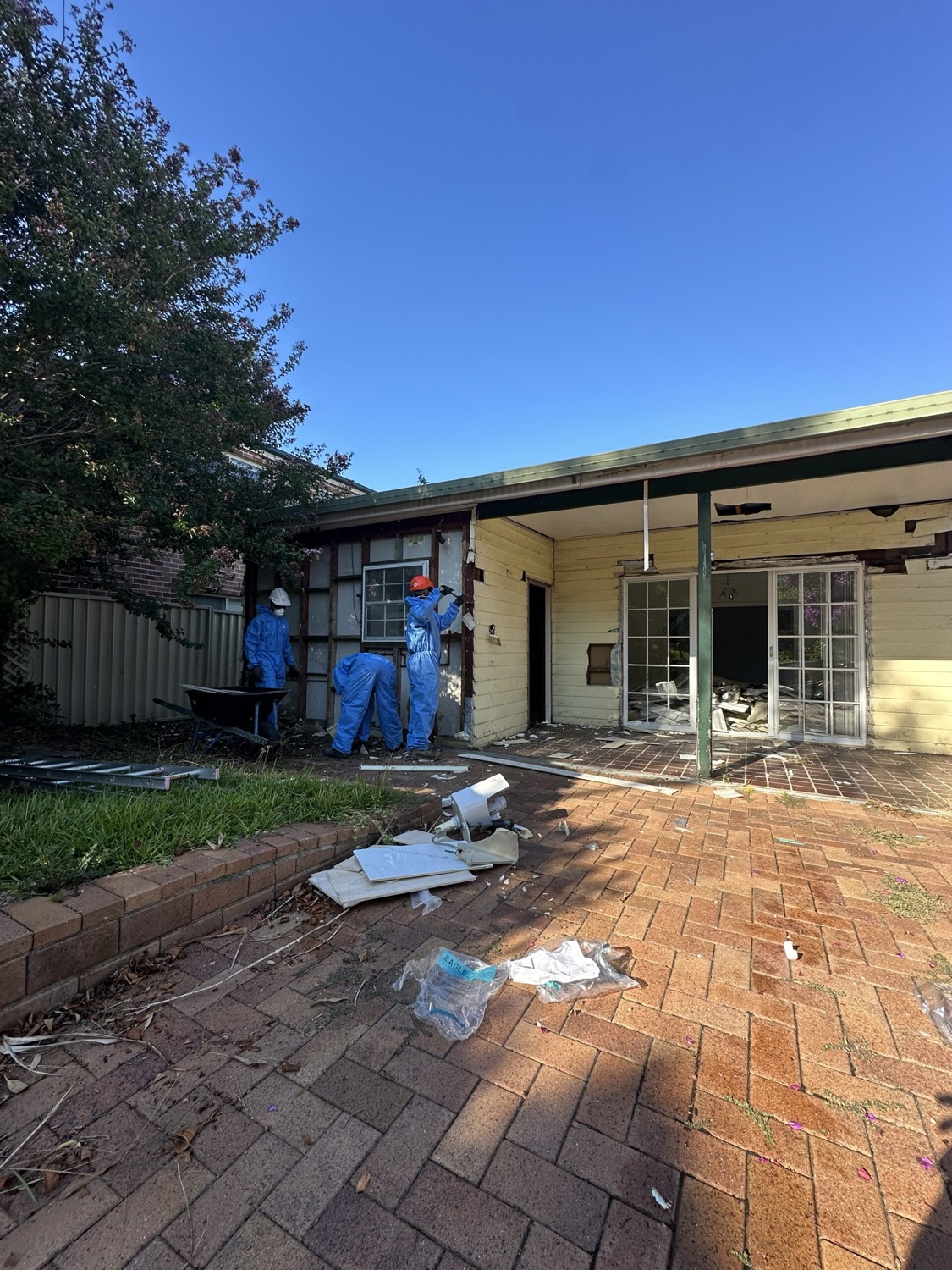
Older buildings and fit-outs can contain asbestos in vinyl floor tiles, ceiling materials and service penetrations. Under NSW work health and safety rules, workplaces built before 31 December 2003 must have an asbestos register, which should be checked before any strip-out begins. If asbestos is identified in the work area, it must be removed by a licensed removalist before or as part of the make good — see SafeWork NSW’s asbestos guidance and our asbestos removal service.
Make good works vs a cash settlement
Some landlords would rather receive a payment than have the tenant carry out physical works — for example where the space will be re-leased and the incoming tenant will strip it anyway, or where the landlord wants to control the works themselves. A cash settlement can save time and avoid disruption, but it should be based on a realistic scope and price. Getting an independent strip-out quote gives you a solid reference point for that negotiation, whichever way you decide to go. Any agreement to settle in cash should be recorded in writing, together with a release from further make good obligations.
Recycling and waste on commercial strip-outs
A commercial strip-out produces a large volume of mixed waste — plasterboard, metal stud, ceiling tiles, carpet, glass, timber joinery and cabling. Much of it can be separated and recycled rather than sent to landfill: steel and copper go to metal recyclers, while clean plasterboard and timber can often be recovered too. Many building owners and tenants now report on waste diversion, so ask your contractor how materials will be separated and request disposal dockets. Our article on where demolition waste goes explains how recycling works in practice.
How to avoid make good disputes
- Keep the original handover photos and condition report from the start of your lease.
- Agree the make good scope in writing before works start.
- Photograph the premises before, during and after the works.
- Keep waste disposal dockets and any certificates (electrical, asbestos clearance).
- Book a joint final inspection with the landlord or building manager before the lease end date.
H&R Demolition & Excavation carries out end-of-lease make goods and strip outs for offices, retail and hospitality tenancies across Sydney. Send us your lease scope and we’ll give you a fixed price and a program that meets your handover date.
Frequently asked questions
Sources & further reading
Requirements referenced in this article were checked against the sources above on 13 October 2026. Prices are indicative and reviewed periodically — your fixed price always comes from a site inspection.
H&R Demolition & Excavation
H&R is a licensed and insured Sydney demolition, asbestos removal and excavation contractor. Our guides are written from the work our crews carry out on Sydney sites and are checked against current NSW requirements from SafeWork NSW, the NSW EPA and NSW Planning before they are published.
Ready to talk to the team?
Free, no-obligation quotes for demolition, asbestos and excavation across Sydney.
More Articles
 Costs
Asbestos Removal Cost in Sydney (2026): Prices, Factors & What’s Included
Indicative 2026 asbestos removal prices for Sydney — per square metre, roofs, small jobs and friable work — plus what drives the cost and what a complete quote must include.
Read Article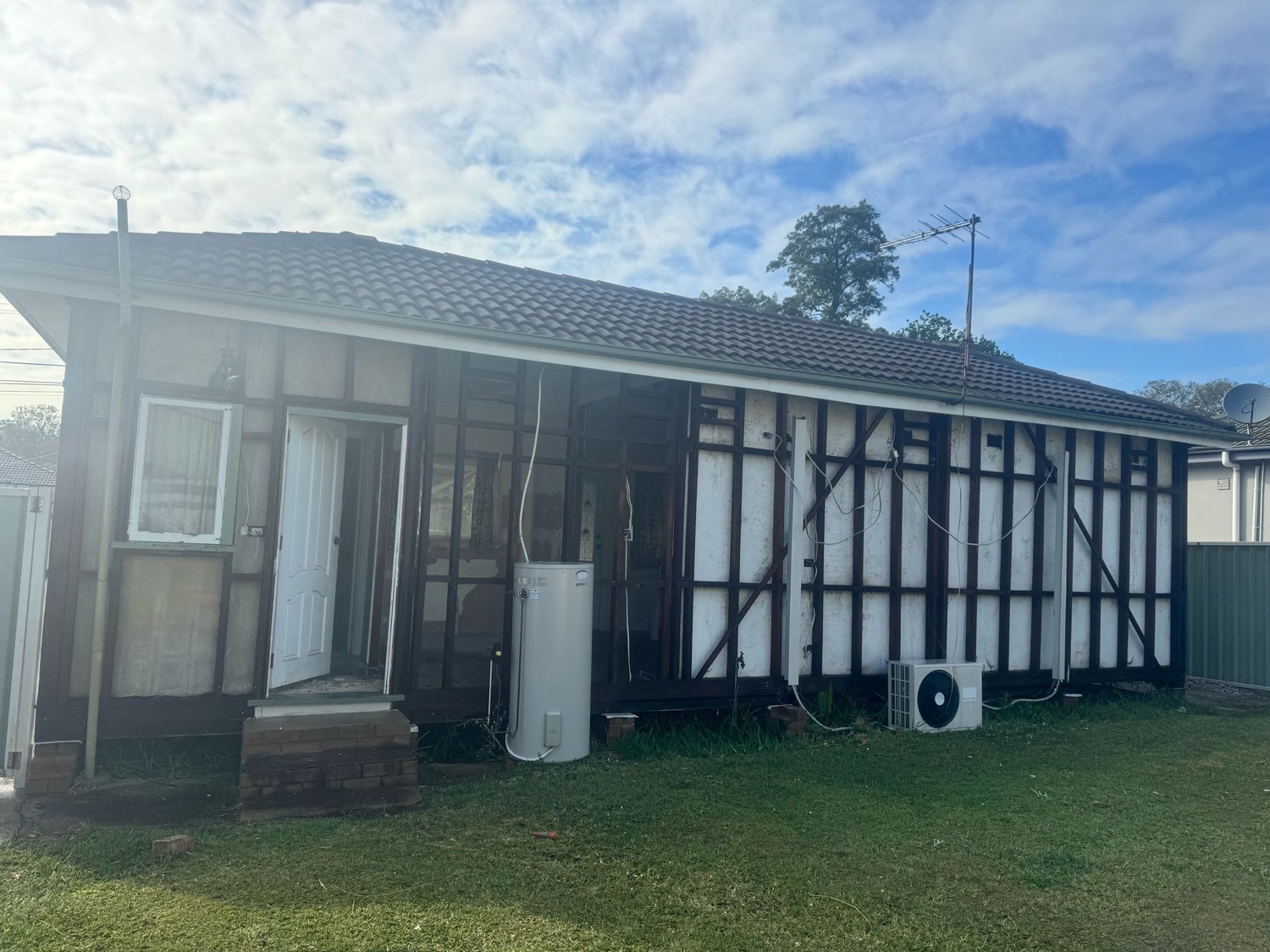 Costs
Excavation Cost in Sydney (2026): Site Cuts, Bulk Excavation & Spoil Removal
What excavation really costs in Sydney in 2026 — hourly machine and truck rates, typical site cut and bulk dig prices, and why spoil classification is the cost most people miss.
Read Article Guides
Pool Removal in Sydney: Cost, Process & Approvals (2026 Guide)
Partial or full removal? What pool removal costs in Sydney in 2026, how the process works step by step, which approvals to check, and what to know before building over the area.
Read Article