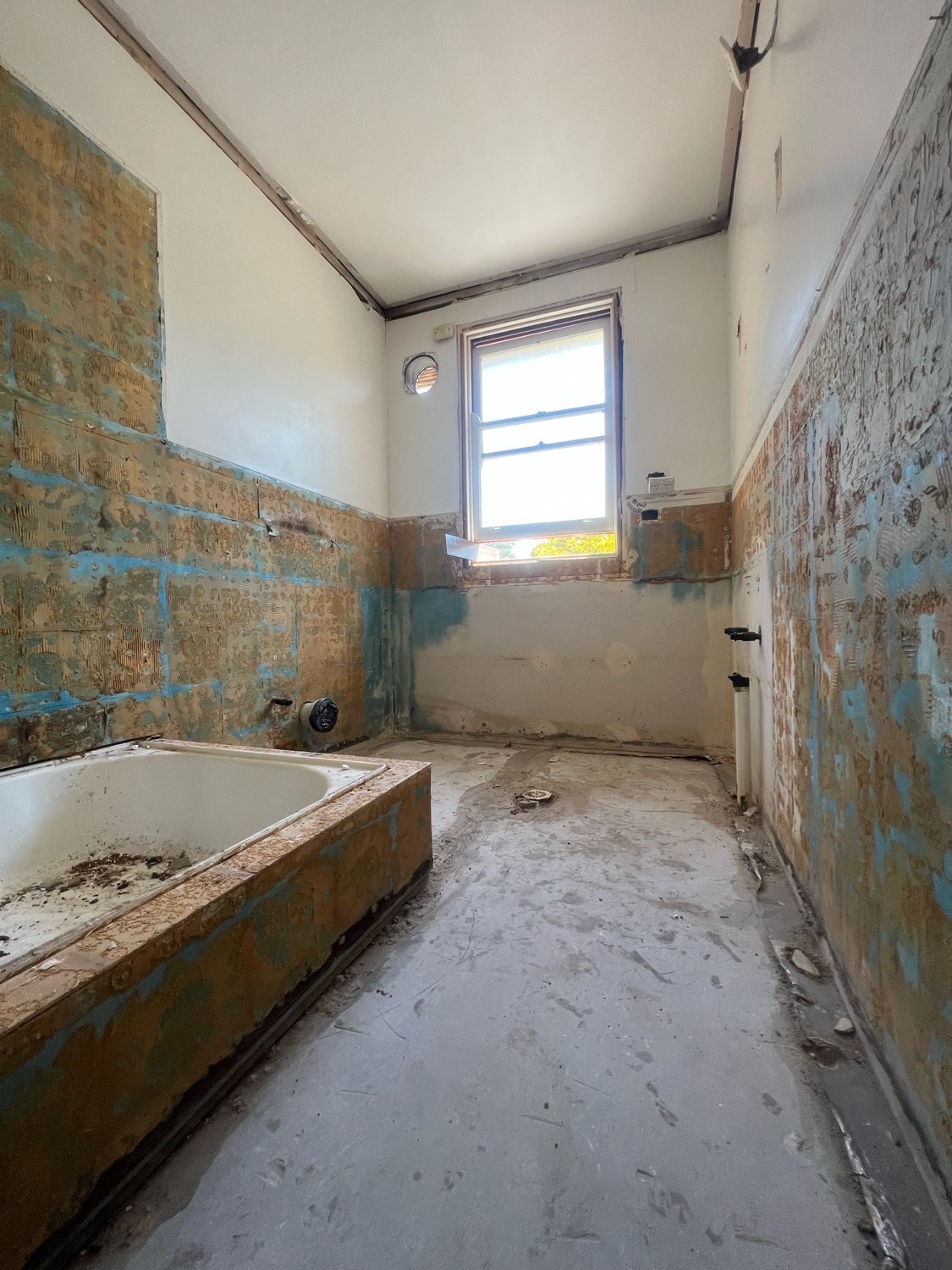
- The demolition itself is the quick part — a standard house is commonly down and cleared in about three to five working days.
- Approvals and service disconnections are the long-lead items; allow several weeks for each.
- Asbestos removal and clearance typically add one to three days on older homes.
- Starting disconnections early is the single best way to shorten the overall timeline.
If you are planning a knockdown rebuild or clearing a block for sale, timing matters — for your builder’s start date, your finance and where you’ll live in the meantime. The good news is that the demolition itself is usually quick. The stages that take longest are the ones before the machines arrive: approvals and service disconnections. This guide sets out a realistic house demolition timeline for Sydney, stage by stage, and explains what causes delays and how to avoid them.
House demolition timeline at a glance
| Stage | Typical timeframe | Who’s involved |
|---|---|---|
| Site inspection and fixed quote | 1 – 3 days | Demolition contractor |
| Demolition approval (CDC or DA) | CDC often 2 – 4 weeks; DA commonly 6 – 12+ weeks | Private certifier or council |
| Service disconnections (power, gas, water, phone) | 2 – 6 weeks | Electricity network via an accredited provider, gas network, plumber, telco |
| Asbestos removal and clearance | 1 – 3 days | Licensed removalist (and assessor where required) |
| Demolition and load-out | 2 – 5 days | Demolition crew |
| Slab, footings and site clean-up | 1 – 2 days | Demolition and excavation crew |
Typical timeframes only. Many stages run in parallel — approvals and disconnections are usually arranged at the same time.
Stage by stage
1. Inspection and quote
A demolition contractor inspects the site, identifies likely asbestos, checks access and neighbouring structures, and confirms what your builder needs at the end — slab out, footings removed, site left to a particular level. You should receive a fixed, itemised quote within a few days. See our house demolition cost guide for what that quote should include.
2. Approvals
Most house demolitions in NSW need either a complying development certificate (CDC) from a private certifier or council, or a development application (DA) through council. A CDC is generally faster where your property qualifies; a DA takes longer and is often lodged together with the new home. Heritage items and conservation areas can add conditions. Our demolition permits guide explains the options, and the NSW Planning Portal is where applications are lodged.
3. Service disconnections
Before demolition can start, every service has to be safely disconnected. Electricity is disconnected and the meter removed through the local network — Ausgrid in much of eastern and northern Sydney, or Endeavour Energy in the west and south-west — with the work arranged through an accredited service provider. Gas is disconnected and the meter removed via your retailer and the Jemena network; water and sewer are capped by a licensed plumber under Sydney Water requirements; and telecommunications lead-ins are removed. These requests can take several weeks, which is why they should be started as soon as your approval is under way.
4. Asbestos removal and clearance
Most Sydney homes built or renovated before 1990 contain some asbestos — in eaves, wall sheeting, wet areas, flooring or fencing. It must be removed by a licensed removalist before the main demolition, followed by a clearance inspection. On a typical home this takes one to three days. Read more in our asbestos removal cost guide.
5. Demolition days
With approvals, disconnections and asbestos clearance complete, the demolition itself moves quickly. A typical single-storey house follows a pattern like this:
- Day 1 — site fencing, signage, protection for neighbours and any salvage or soft strip.
- Days 2–3 — mechanical demolition of the structure, with materials sorted as they come down.
- Days 3–5 — load-out of concrete, brick, steel and timber for recycling, and removal of general waste.
Two-storey and double-brick homes generally take a day or two longer because there is more material to break out and remove.
6. Slab, footings and clean-up
The slab, footings, driveways and paths are removed if your builder needs a clean set-out, and the site is cleared and levelled. If the block also needs a site cut for the new slab, the excavation can follow straight on with the same crew. You should receive waste disposal dockets so there is a record of where everything went.
How property type changes the timeline
| Property type | Typical demolition and clean-up | Notes |
|---|---|---|
| Single-storey weatherboard or fibro home | approx. 3 – 4 working days | Fibro homes usually need asbestos removal first |
| Single-storey brick or brick-veneer home | approx. 3 – 5 working days | More masonry to break out and load |
| Two-storey or double-brick home | approx. 4 – 7 working days | More material; tighter controls near neighbours |
| Home with a pool, garage or large outbuildings | add approx. 1 – 3 days | Depends on pool type and full or partial removal |
Working days on site, after approvals, disconnections and asbestos clearance are complete. Every site is assessed individually.
Townhouses, duplexes and properties on tight inner-city lots can take longer because machinery is smaller, neighbours are closer and adjoining walls may need protection. Steep blocks and battle-axe lots with long driveways also add time, because every truck load has further to travel on site.
What can slow a demolition down
- Service disconnections that are requested late or held up by the network or retailer
- Asbestos found during demolition that wasn’t identified beforehand
- Tight access, shared driveways or a narrow frontage
- Wet weather, which can pause machine work and truck movements
- Approval conditions — for example dilapidation reports on neighbouring properties
- Council-permitted work hours, which typically limit noisy work to weekdays and part of Saturday
Most of these can be managed with early planning. A thorough pre-demolition inspection and an asbestos survey reduce surprises, and a clear program agreed with your builder keeps every trade lined up.
How to keep your demolition on schedule
- Book your inspection early so the contractor can flag asbestos and access issues up front.
- Lodge your approval and request service disconnections at the same time.
- Have the house emptied — furniture, fittings and anything you want to keep — before the crew arrives.
- Tell your neighbours about the timing; it avoids friction on demolition days.
- Confirm the finish level your builder needs so there’s no rework at handover.
H&R Demolition & Excavation manages the whole process — approvals guidance, disconnection coordination, asbestos removal, demolition and excavation — for homes across Sydney, including Parramatta, Blacktown and Penrith. Book a free site inspection and we’ll give you a realistic program along with your quote.
Frequently asked questions
Sources & further reading
- NSW Department of Planning — Planning Portal
- Ausgrid
- Endeavour Energy
- Jemena (gas network)
- Sydney Water
- SafeWork NSW — Asbestos
Requirements referenced in this article were checked against the sources above on 13 October 2026. Prices are indicative and reviewed periodically — your fixed price always comes from a site inspection.

H&R Demolition & Excavation
H&R is a licensed and insured Sydney demolition, asbestos removal and excavation contractor. Our guides are written from the work our crews carry out on Sydney sites and are checked against current NSW requirements from SafeWork NSW, the NSW EPA and NSW Planning before they are published.
Ready to talk to the team?
Free, no-obligation quotes for demolition, asbestos and excavation across Sydney.
More Articles
 Costs
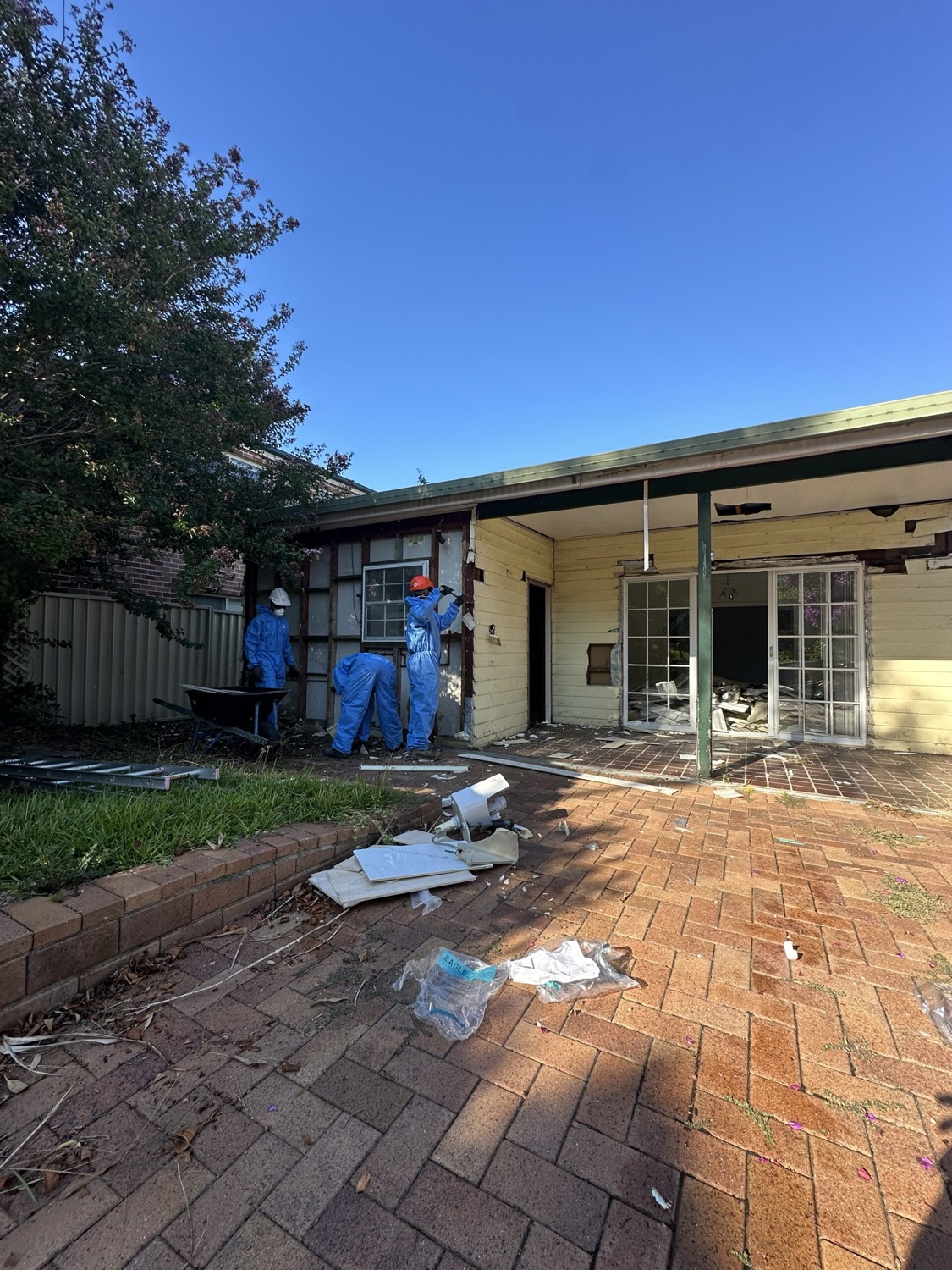
Asbestos Removal Cost in Sydney (2026): Prices, Factors & What’s Included
Indicative 2026 asbestos removal prices for Sydney — per square metre, roofs, small jobs and friable work — plus what drives the cost and what a complete quote must include.
Read Article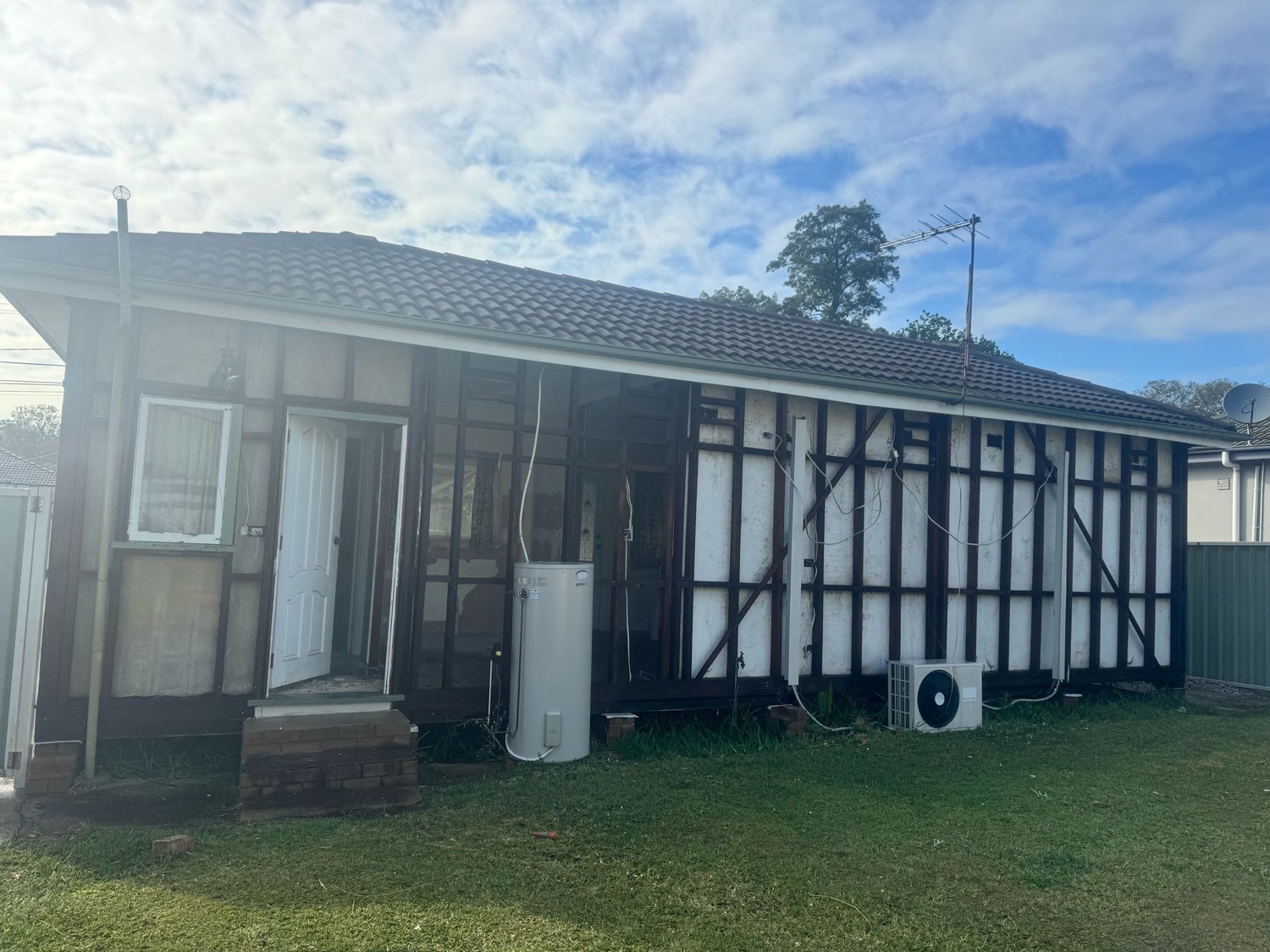 Costs
Excavation Cost in Sydney (2026): Site Cuts, Bulk Excavation & Spoil Removal
What excavation really costs in Sydney in 2026 — hourly machine and truck rates, typical site cut and bulk dig prices, and why spoil classification is the cost most people miss.
Read Article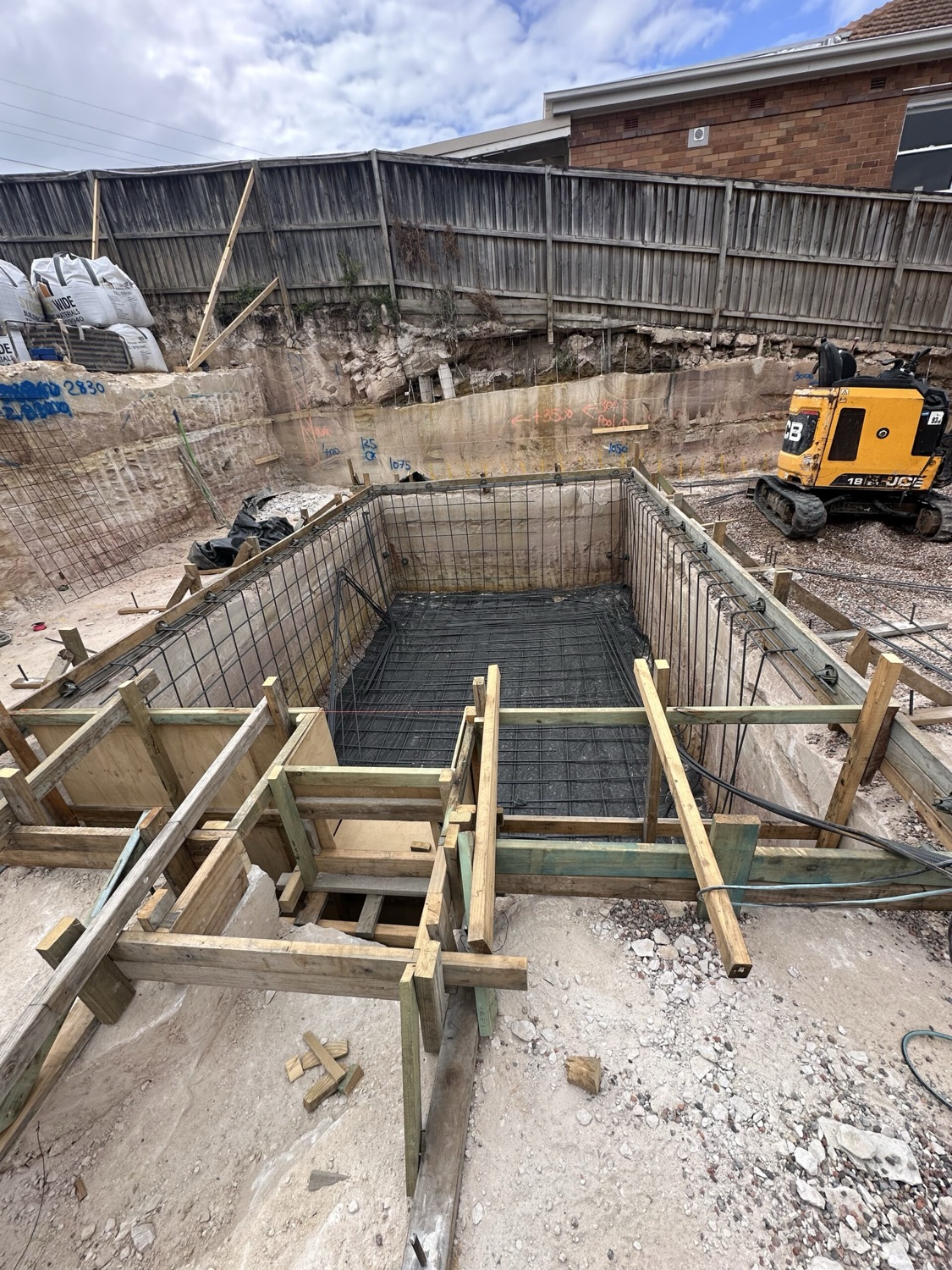 Guides
Pool Removal in Sydney: Cost, Process & Approvals (2026 Guide)
Partial or full removal? What pool removal costs in Sydney in 2026, how the process works step by step, which approvals to check, and what to know before building over the area.
Read Article